

A photograph catches a hen’s comb in bright sunlight and it looks intensely red. Another picture taken in shade makes the same bird seem much paler. Color is an observation worth making, but a camera image is a fragile foundation for a health verdict.
Light, exposure and white balance affect the appearance before anyone interprets the bird. The comb also belongs to an individual at a particular age and reproductive stage. Compare a bird with her normal appearance under similar conditions rather than comparing two unrelated online photographs.
Put the comb back into the scene
Is the bird eating, moving and interacting normally? Has the change persisted in person? Are other birds affected? The Maryland factsheet on sickness behavior explains why several observations are needed to recognize a change in condition.
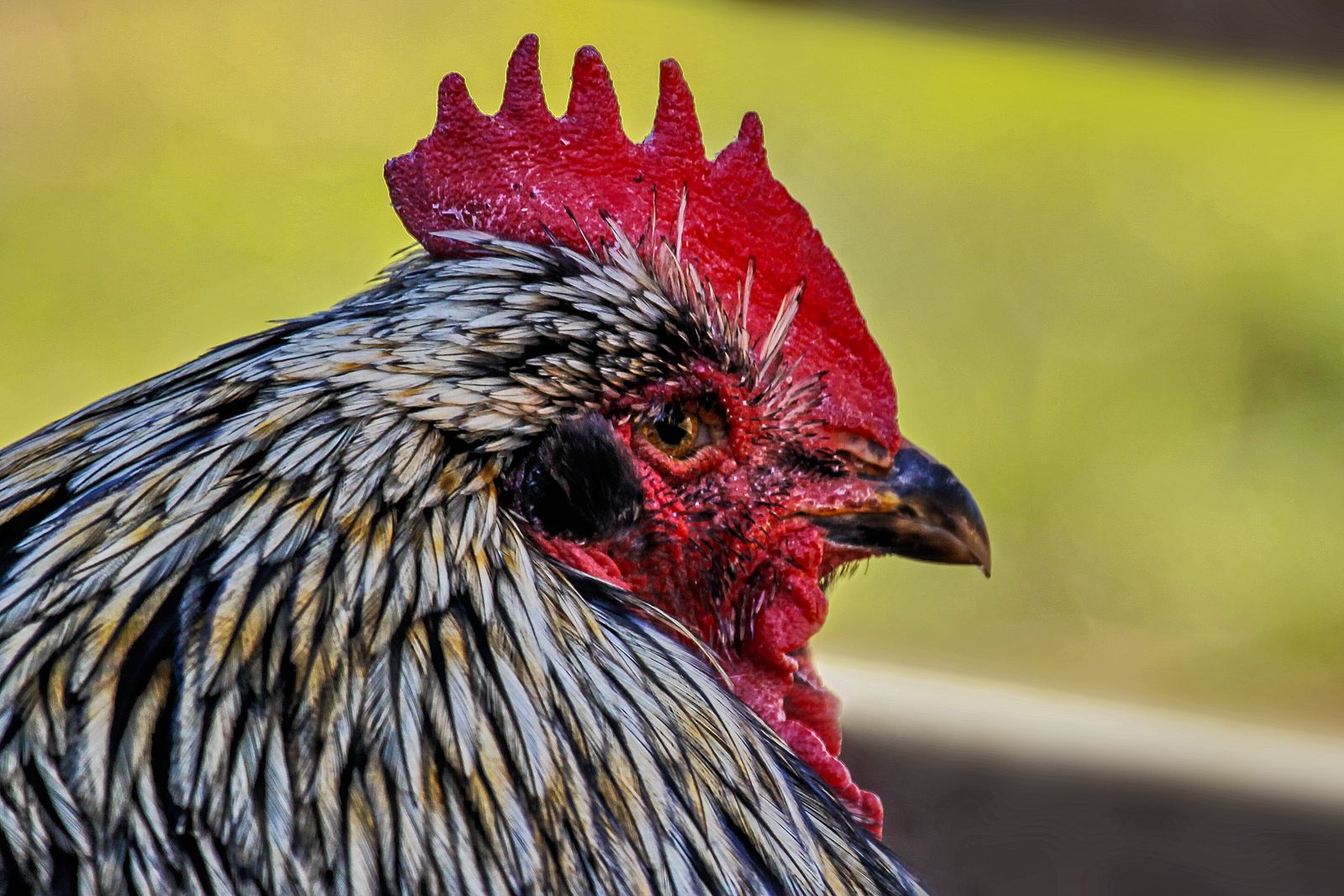
Those details do not mean comb changes should be ignored. They mean the investigation should include the rest of the hen. A severely unwell bird needs assessment even if a photograph makes her comb look colorful and glossy.
A red comb does not establish laying performance
Maturity and reproductive activity are relevant context, but color cannot count the eggs a bird is producing. The first-lay discussion covers the wider transition; laying cycles explains why production varies over time.
Avoid turning a caption into a diagnosis such as anemia, infection or perfect health without examination and appropriate evidence. A dated photograph can help document an actual change for a veterinarian, particularly when accompanied by a description of behavior and the circumstances.
The useful image is a record to compare, not a shortcut around observing the bird. If the comb looks different, check the hen in ordinary light and describe what else has changed. That gives the color a context the photograph alone cannot supply.


