
An empty nest box in November can turn a light bulb into an appealing idea. But the first decision is not which timer to buy. It is whether maintaining egg production through shorter days is actually a goal for this flock.
Some households want a more consistent supply of eggs. Others are comfortable buying eggs while their hens follow a seasonal rhythm. Those choices lead to different management plans; neither can be settled by a promise printed on a lamp package.
Light is a schedule, not an emergency switch
The University of Arizona’s lighting guidance for backyard laying flocks treats supplemental light as a planned program. Age, the existing schedule, and mixed-age birds matter. Lighting intended for mature laying hens should not simply be imposed on growing pullets without considering their stage of development.
The practical implication is consistency. A keeper choosing supplemental light needs to understand the recommended light and dark periods, equipment suitability, and the effect of changing the schedule. This is a management commitment, rather than a one-night response to finding no eggs.
Short days may not be the whole explanation
Molt, age, nutrition, and health can also affect laying. A hen replacing feathers is not made nutritionally ready for production by adding illumination. Our guide to hens that stop laying helps separate those possibilities before a seasonal assumption becomes the only explanation.
The Cooperative Extension overview of egg production connects lighting with the rest of flock management. Adequate complete feed and water remain part of the picture. A light does not compensate for a ration displaced by treats or water that becomes unavailable overnight.
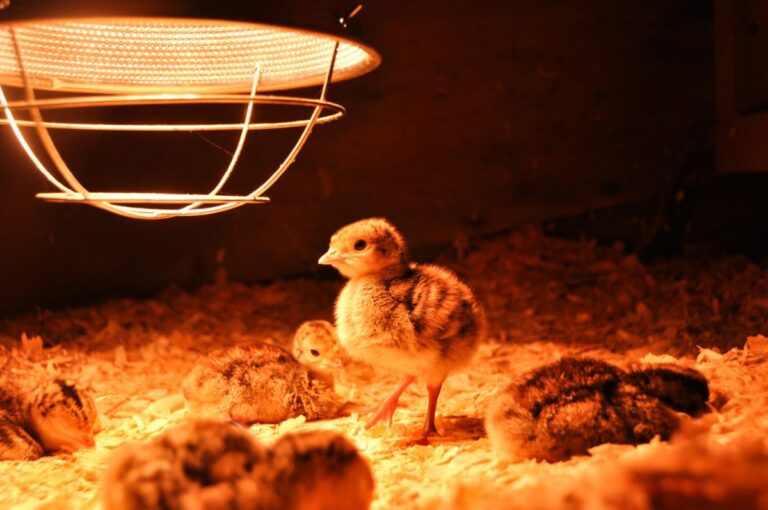
There is also a difference between providing light and providing heat. A heating device should not accidentally become an uncontrolled all-night lighting program. Electrical installations and fixtures need to suit a dusty poultry building and follow appropriate safety requirements.
For a household flock, a useful November decision may be as simple as accepting fewer eggs and keeping a stable care routine. For another, it may be a researched lighting program. The important part is making that choice deliberately, with the birds’ age and condition in view, before changing their day length.