

The feeder has fresh seed. The ground underneath it holds yesterday’s seed, rain-soaked husks, droppings, and whatever fell during the last refill. Looking only at the container misses the place some birds are actually eating.
The Ornithological Council’s bird-feeder factsheet includes cleaning the ground below feeders and discarding wet seed among its recommendations. Topping up a feeder does not remove the older material accumulating beneath it.
A full feeder can hide an old problem
Rain and thawing snow can turn scattered seed into a damp layer. If it is buried beneath another spill, the feeding area may look better from the window than it does up close.
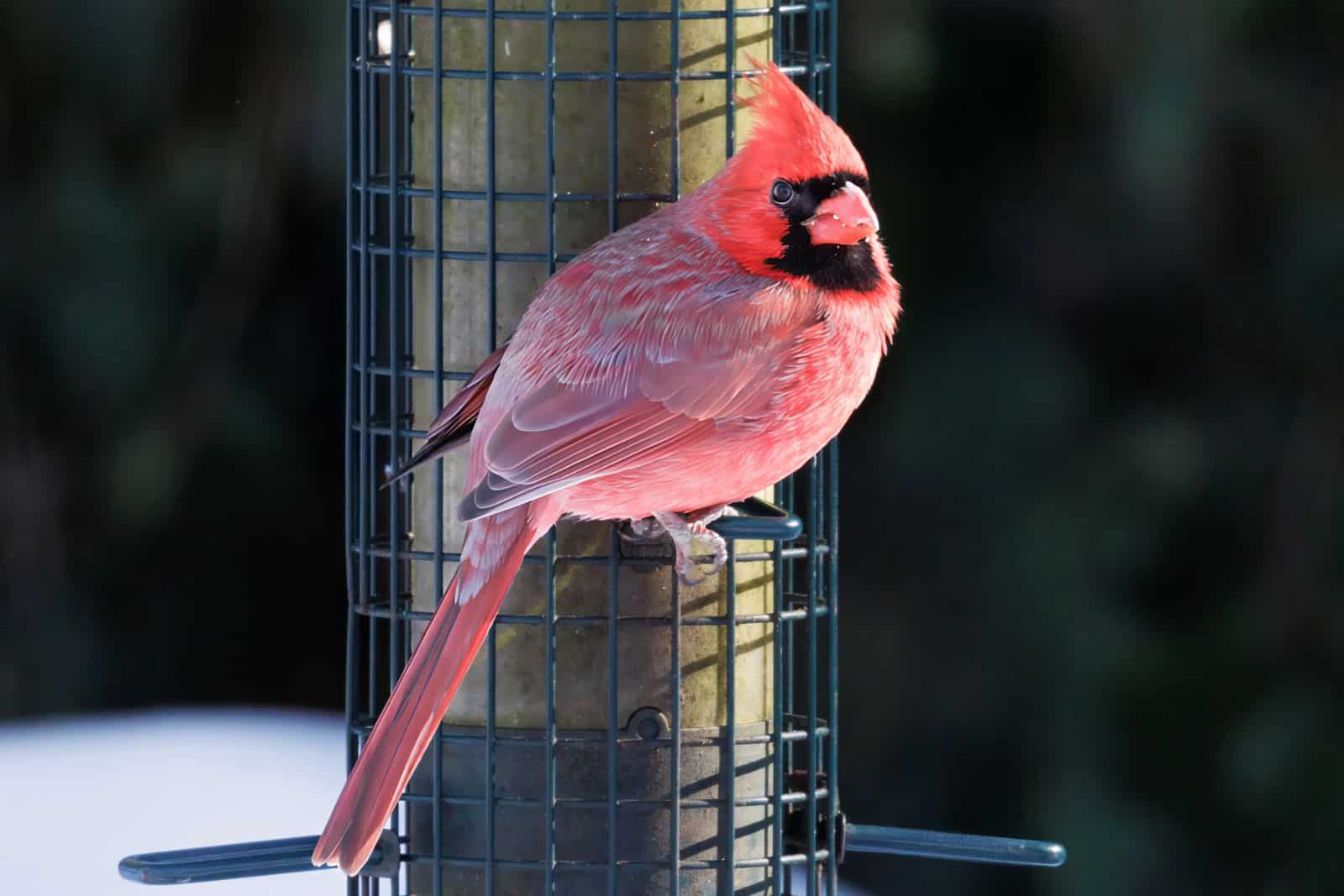
The Cornell Lab’s feeder-selection guidance points out that seed can stay trapped below the lowest ports of some tube feeders. That is another place where new food can conceal material birds cannot readily remove.
It is worth checking both locations after wet weather: the bottom of the feeder and the surface below it. Damp or spoiled food should not be mixed into a fresh supply or passed on to the chickens as a way to avoid waste.
The yard is part of the feeding setup
Ground-feeding visitors, including winter juncos, make the area below eye level especially relevant. A clean hanging container is not the whole environment they encounter.
If sick or dead birds appear, follow wildlife-authority guidance for your area, including advice on taking down feeders. Routine cleaning is not a reason to ignore an active disease problem. Poultry owners also need to keep wild-bird feeding away from their flock’s feed, water, and housing.
The window beside the feeder deserves its own check, but so does the unphotogenic patch beneath it. One affects a bird’s flight; the other affects where the next mouthful may come from.


