

At dusk the flock enters the coop, but settling takes longer than arriving. A hen sidesteps, another squeezes into the gap, and one bird leaves a seemingly adequate perch for a position beside a particular neighbor. The roost is both a physical structure and a shared social space.
The Merck account of poultry behavior describes flock hierarchy and the importance of allowing birds to perch. Those facts help explain why the space available on paper and the space an individual can actually use may differ.
Watch the last bird to settle
The revealing observation is often the hen still moving after the rest have stopped. Does she eventually find a secure place, get repeatedly displaced, or remain on the floor? A brief shuffle is different from persistent exclusion. Follow the same bird over several evenings before assigning every movement to rank.
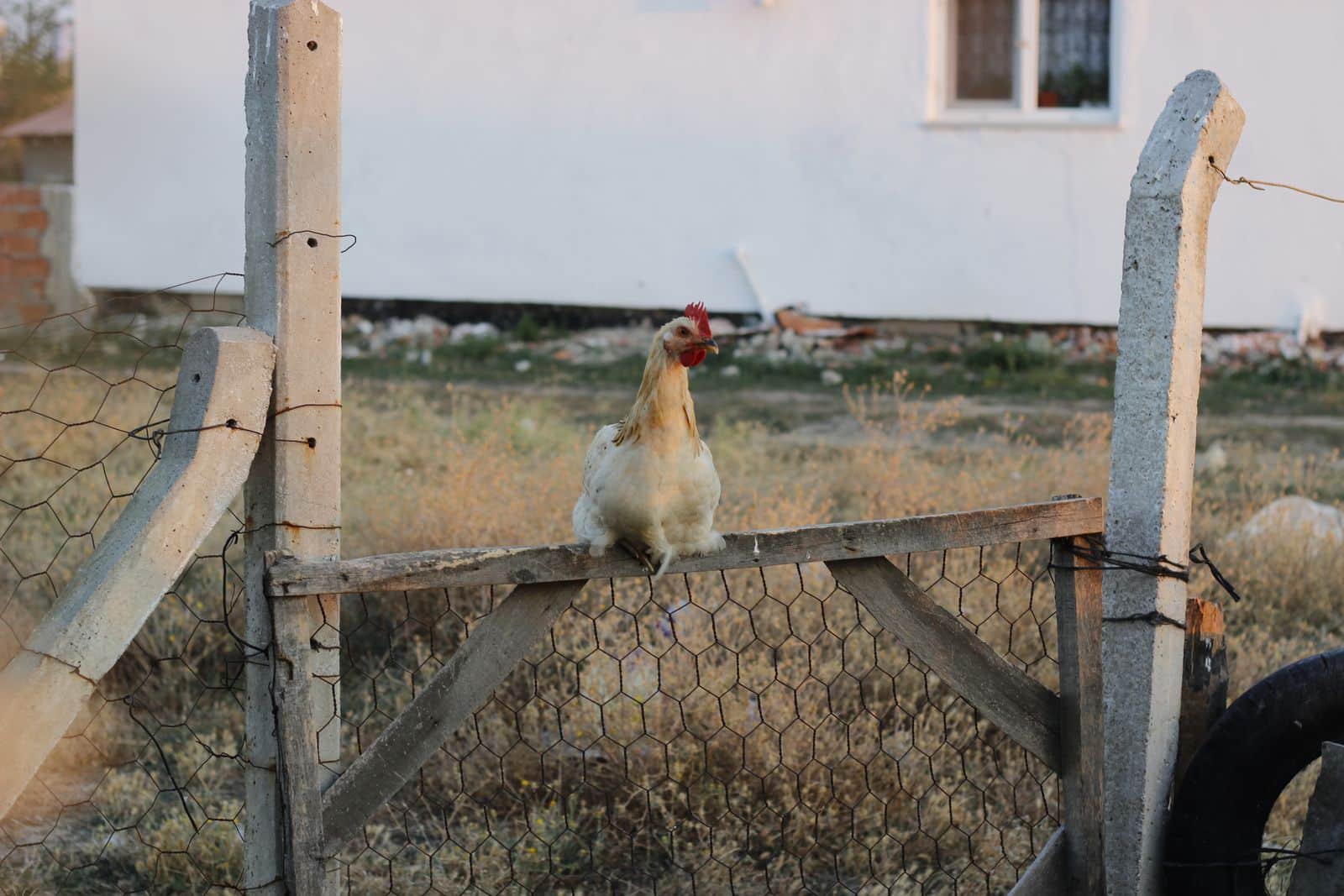
Temperature, light, perch access and physical comfort can also influence the scene. A favorite position is not a simple numbered leaderboard. An older or less agile hen may choose an easier route even when a higher position is available.
Empty length may not be usable space
A perch above a difficult landing or behind an assertive bird may contribute less practical access than its dimensions suggest. Our space article distinguishes usable room from an enclosure’s total footprint; the same reasoning applies to routes onto the roost.
If disputes are repeated, look for multiple accessible resting options and routes that do not trap a subordinate bird. The flock-introduction discussion covers social disruption when membership changes. Do not repeatedly rearrange settled birds just to discover who is “in charge.”
The evening negotiation is worth watching because it reveals how the flock uses the housing. A comfortable endpoint for every bird matters more than a photograph showing all the nominal perch space before the chickens arrive.


