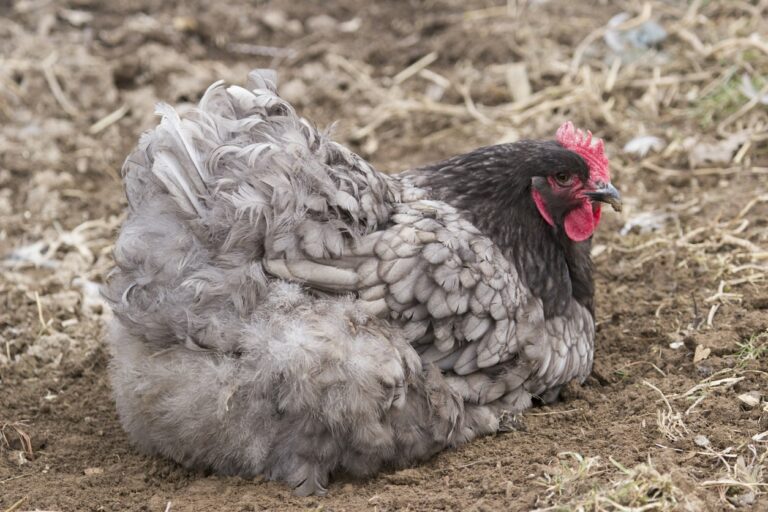

A hen lies on her side, opens one wing and seems to melt into a patch of sunshine. To someone seeing it for the first time, the position can look alarming. A few moments later she may stand, shake herself and walk away.
Sunbathing is part of the behavioral picture worth recognizing. The British Hen Welfare Trust describes hens sunbathing with outstretched wings. But a similar-looking still image can conceal a very different situation, especially on a hot day. The sequence and surroundings matter more than a dramatic pose.
Look at the choices around the bird
A bird resting in sunlight with access to shade is in a different situation from a bird trapped in an exposed enclosure. Is there somewhere cooler to move? Is clean water available? Can she stand and walk normally when she chooses to? These questions describe the conditions without requiring you to read an emotion from a photograph.
Do not force a hen to stay in the sun because the posture looks peaceful. Providing a choice is more useful than deciding that sunlight is always beneficial. The flock’s preferred spot can change as the day warms and the shade moves.
Sunbathing and heat stress can occur on the same afternoon
Panting, reduced activity and poor appetite are among the signs the Trust discusses in relation to overheating. None is a reason to wait for a photo-perfect collapse before responding. A bird in distress needs a cooler environment and appropriate attention; persistent or severe signs require veterinary advice.
The seasonal care details belong in our hot-weather article. The narrow point here is that a wing held away from the body does not settle the question by itself. Heat-dissipation behavior and a relaxed-looking sunbathing posture have to be interpreted in context.
It may be a different kind of bath
Loose soil and moving feathers can mean the hen is dust bathing rather than simply resting in the sun. Watch for scratching out a hollow, rolling and working material through the plumage. The dust-bath guide explains that separate behavior and the need for suitable dry material.
There is no need to disturb a normally responsive bird just to prove she is sunbathing, nor to reassure yourself from a picture if something seems wrong in person. Notice whether she resumes her normal activities. A hen standing up and returning to the flock tells a fuller story than the strange-looking still moment that first caught your attention.