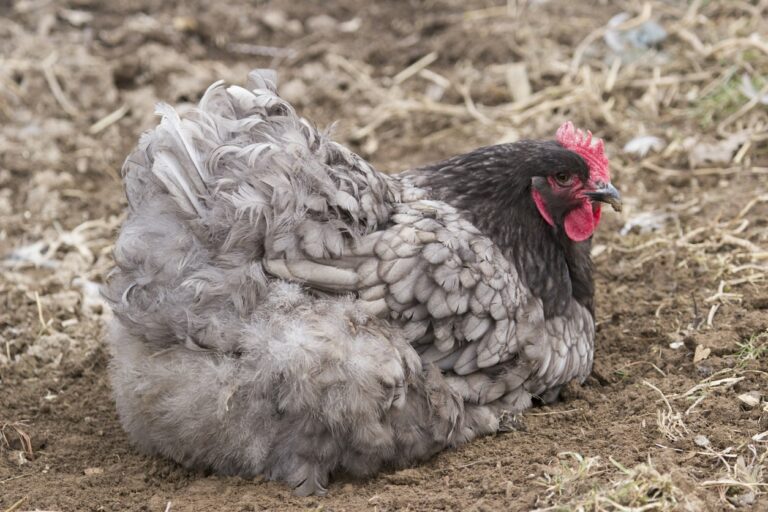

You walk into the yard empty-handed and the chickens come anyway. One bird changes direction, another catches up, and soon a small procession is following your boots. The missing treat bucket makes the scene feel especially personal.
It may be personal in the limited sense that familiar people matter to chickens. But following alone cannot tell you whether the flock is expecting food, seeking familiar company, investigating movement, or combining several learned associations.
An empty hand does not erase a history of feeding
A keeper arrives with more than whatever is visible today. Their route through the yard, footwear, voice and timing have repeatedly accompanied events. If a person’s arrival sometimes predicts food or access to another area, the association can remain relevant when that person has no treat in hand.
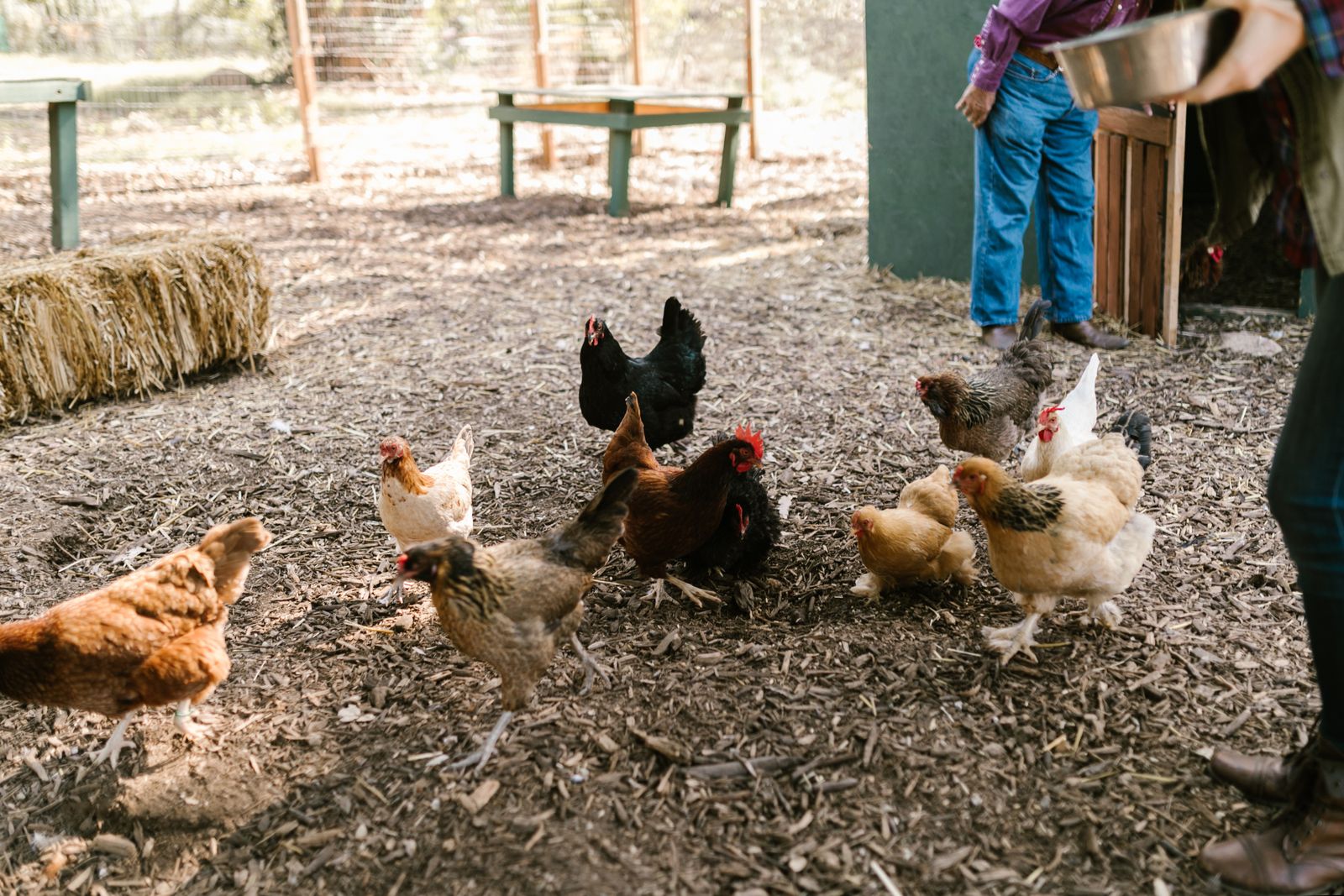
This is an interpretation to consider, not a claim that a flock has one identical thought. Look at the sequence: do the birds follow everyone, one familiar person, the feed scoop, or the same gate-opening routine? Recording those differences is more informative than deciding that every following hen is either hungry or affectionate.
Research leaves room for more than a food explanation
In a 2025 pilot study of chickens and human cues, researchers investigated humans as potential social buffers as well as cues associated with locating food. The paper is relevant because it asks more than whether birds approach a food dispenser. As a pilot study, it should not be turned into a universal account of every backyard relationship.
A separate experiment on discrimination between individual humans demonstrated that domestic fowl could distinguish between two people in a task where that distinction mattered. Recognizing a difference between familiar people is therefore not an absurd idea. Recognizing a person, however, is not the same finding as loving that person, understanding their intentions, or always wanting to be touched.
Following and handling are different choices
A hen can approach closely and still move away from a reaching hand. There is no contradiction. Walking beside a person and being lifted off the ground are different experiences. Let the approach remain voluntary instead of treating proximity as a promise of cooperation with restraint.
That distinction matters particularly for visitors. A flock accustomed to one keeper’s quiet movements may behave differently around someone who walks quickly, bends over the birds or blocks their way back. The broader responsibilities of keeping chickens as pets include respecting those differences.
The procession need not become another snack
It is tempting to reward every approach because it is enjoyable to have the flock gather. But a procession can end with a gate opening, a calm pause or an ordinary care task. It does not require an extra cup of food each time.
Our treat discussion puts extras in the context of the main diet, and enrichment ideas offer opportunities to explore without making the keeper the only interesting object in the yard. Watch where the birds go when you stop walking. Their next choice often tells you more about this particular encounter than the fact that they followed in the first place.