

Two eggs cracked into neighboring bowls can look as if they belong on different paint charts. One yolk is pale yellow; the other is deep orange. The stronger color is immediately persuasive, but it is not a complete nutritional label.
University of Florida Extension explains the role of dietary carotenoids. Pigments from ingredients in the hen’s diet can be deposited in the developing yolk. Changing the ration can therefore change appearance without making color a reliable measurement of every nutrient.
A visible pigment is one part of composition
It is reasonable to connect yolk color with what hens eat. It is a much larger step to claim that the orange egg necessarily contains more protein, is free of pathogens or came from a bird with a particular outdoor lifestyle. Those are separate questions requiring different evidence.
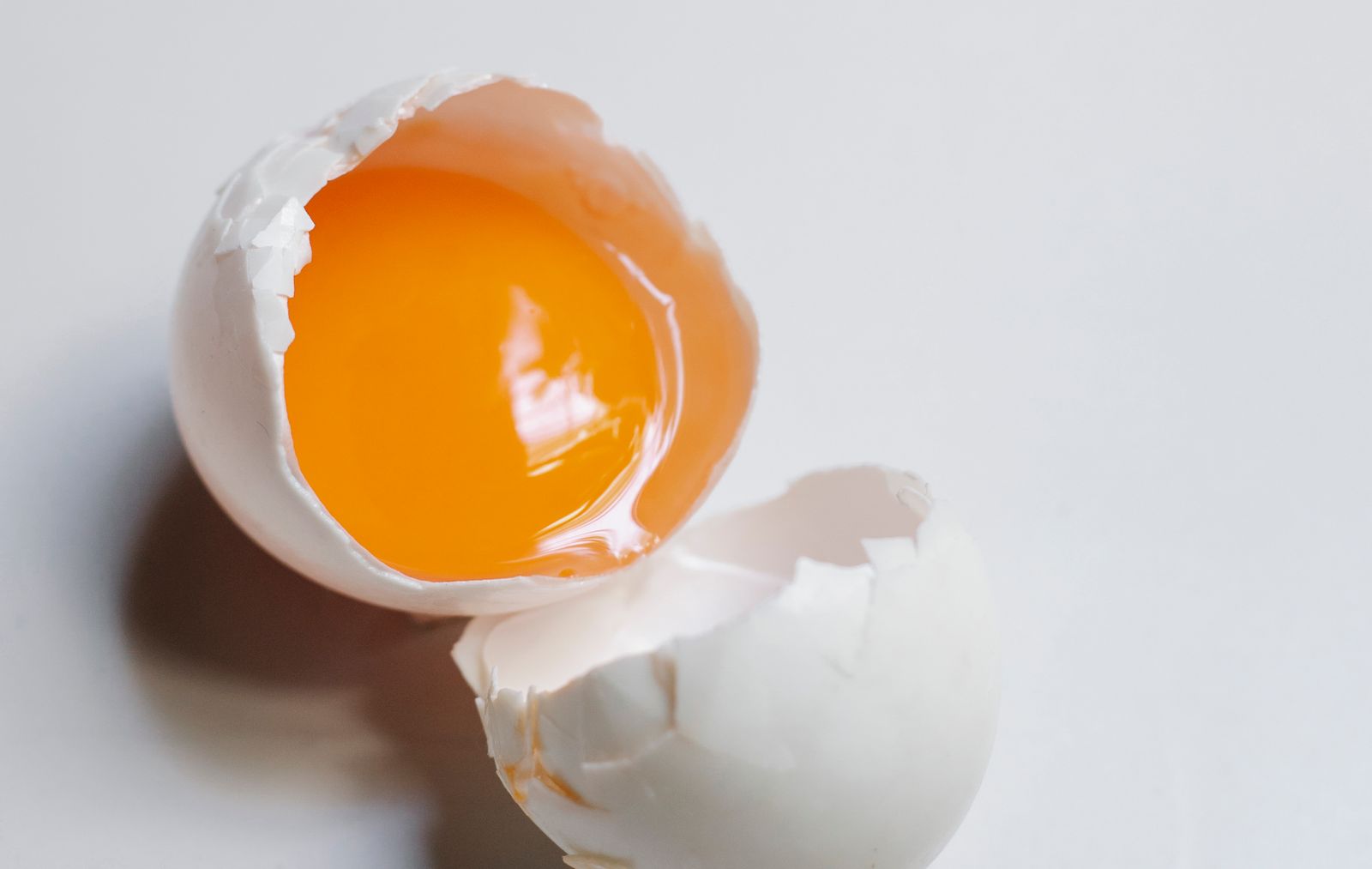
Compare eggs under the same light and avoid a camera filter if recording a change. Even a careful color comparison describes appearance; it does not replace compositional testing or knowledge of the production system.
The hen still needs the whole ration
Adding colorful ingredients solely to produce a preferred yolk can displace balanced feed. Our feeding guide explains why the main ration matters, and the treat discussion puts extras in proportion. A diet should not be judged successful only because its eggs photograph well.
For a household choosing eggs, ask directly about the practices you care about rather than treating color as a proxy. Feeding, housing, welfare and freshness cannot all be compressed into one shade of yellow.
The float-test article makes a related distinction about appearance and safety. A beautiful orange yolk still needs appropriate storage and handling. Enjoy the color, but let it answer the narrow question it can actually inform: which pigments may have reached the yolk, not everything about the egg.


