

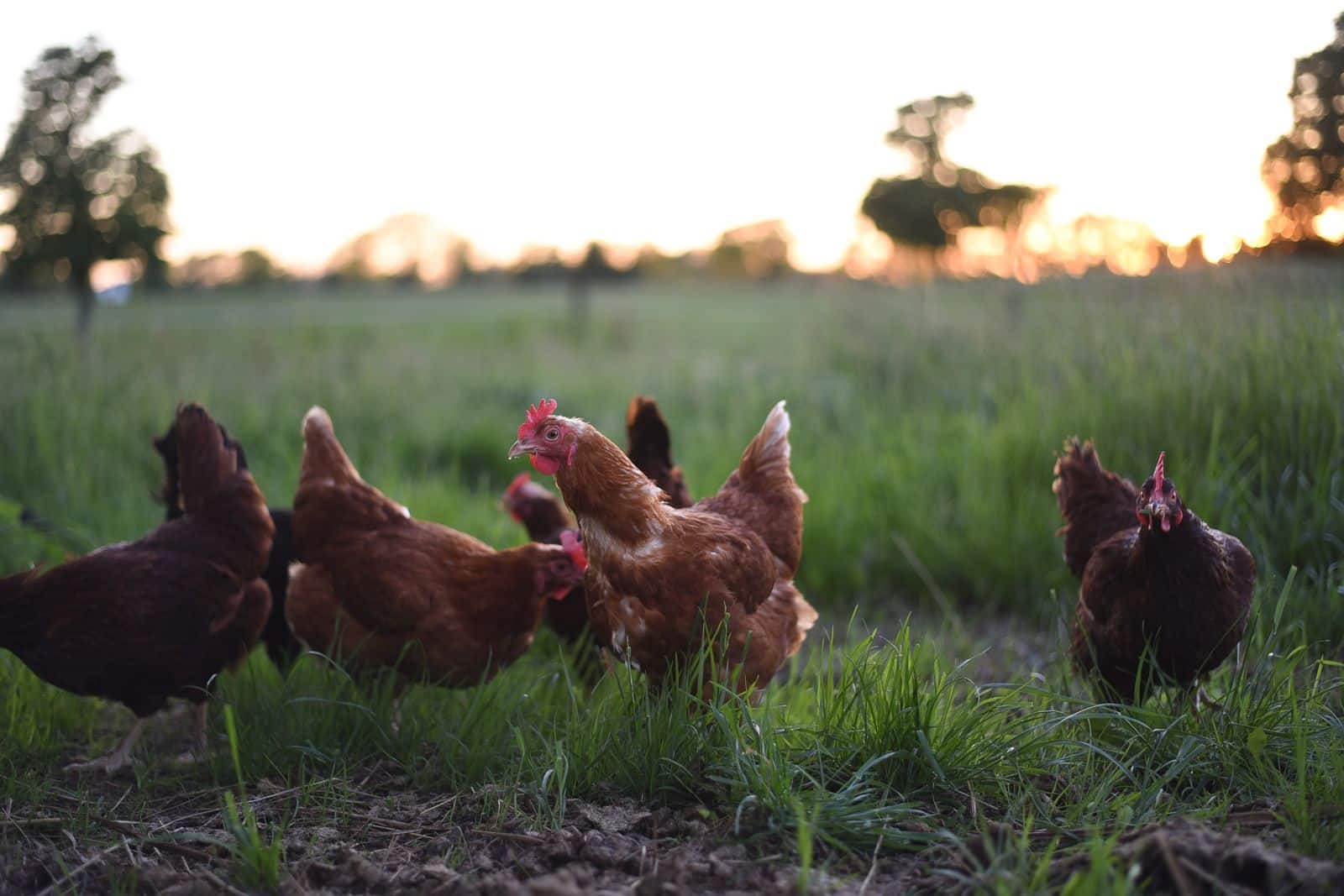
A hen pauses with one foot tucked up into her feathers. Later, she puts it down and walks normally. Holding a leg up can be part of resting or conserving warmth, but the same broad description can also conceal a sore foot.
Minnesota Extension includes holding a foot toward the breast among cold-related observations. The weather is therefore relevant context. It does not make persistent lameness normal simply because the day is chilly.
The next few steps matter
Watch whether the hen alternates feet, resumes an ordinary gait and participates in normal activity. A bird that consistently avoids one foot, limps, has swelling or cannot reach resources needs closer attention. Compare a sequence rather than deciding from one still image.
Where safe handling is necessary, examine the feet and any identification band without forcing painful movement. The bumblefoot article covers footpad lesions; it is one possible problem rather than a name for every one-legged stance. An injury or constricting band raises different questions.
Resting conditions affect the observation
Wet ground, an exposed perch and a crowded resting area change what the bird can do. Our winter-care discussion explains why shelter and dry conditions still matter for cold-hardy chickens. Make sure a less mobile bird can obtain food and water without competing through a bottleneck.
Do not test the bird by repeatedly startling her off the perch. A quiet period of observation may show whether she can place the foot normally; difficulty using it should lead to assessment rather than a forced demonstration.
The tucked foot is the beginning of the observation. How long it stays tucked, which leg is involved and what happens when the hen moves are what distinguish an ordinary pause from a problem worth investigating.


