
A growing pullet and the hen laying beside her can reach into the same feeder while needing different things from it. The pullet is building her body. The layer is also exporting minerals into an eggshell. A bag that works for one group may be the wrong everyday diet for the other.
That is the hidden complication when a summer’s chicks join an established flock. Introductions may look peaceful, yet the feeding arrangement still needs thought. Age, laying status and access all matter; the oldest bird in the enclosure cannot set the nutritional requirements of every chicken there.
Calcium changes the calculation
The University of Kentucky’s poultry nutrition guidance explains why layer feed is a particular product: hens need substantial calcium for shells, while excessive dietary calcium can damage growing chickens’ kidneys. Layer pellets are not simply grower pellets with a different picture on the bag.
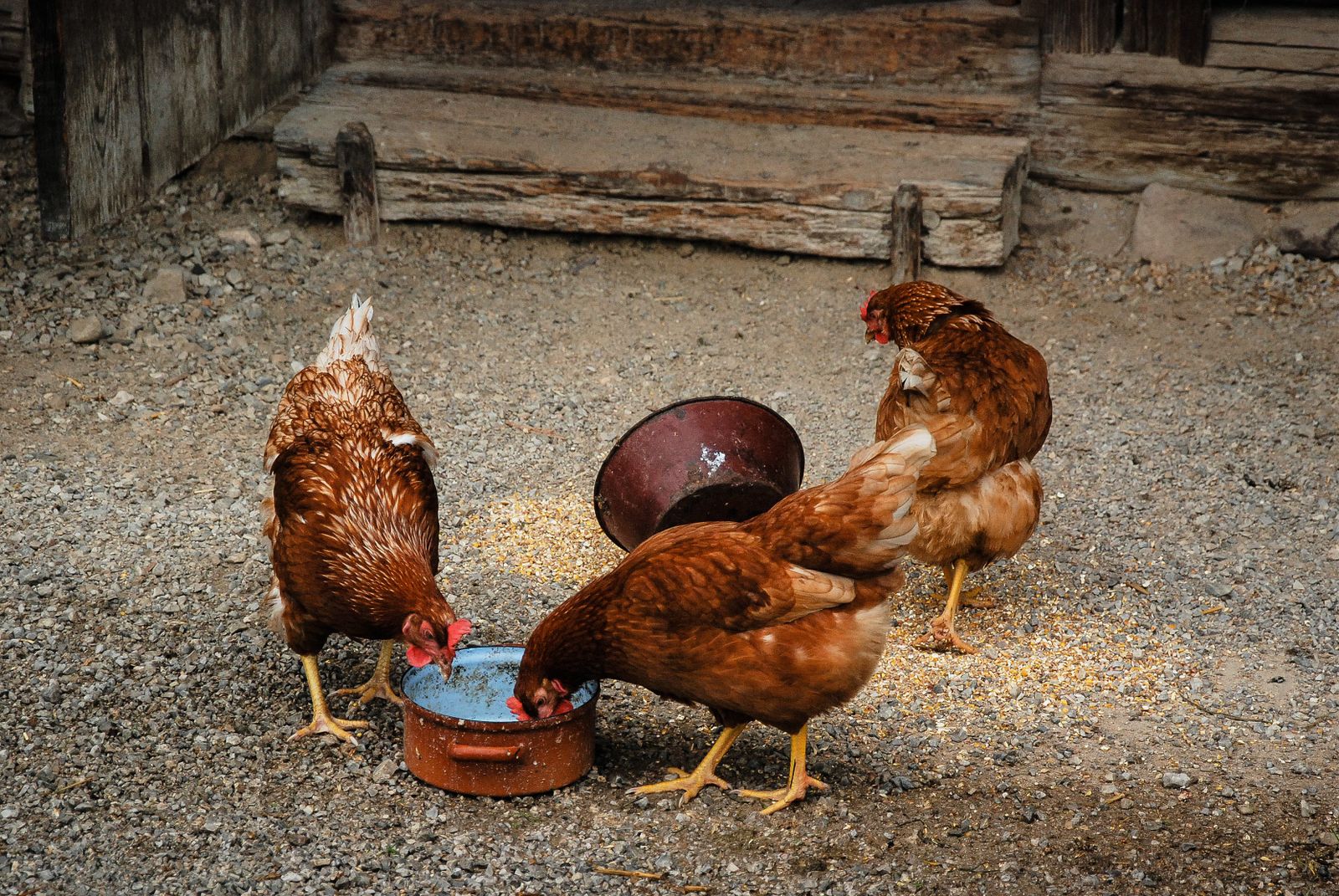
The same guidance describes complete feeds as balanced diets. Replacing part of that ration with a large helping of corn does not neatly reduce calcium while leaving everything else correct. It also changes the balance of protein, vitamins and other minerals. Mixing two feeds by eye creates another ration whose suitability has not been established.
One possible arrangement has two parts
Oregon State University Extension discusses all-purpose feed with separate, free-choice oyster shell for layers. This separates the base diet from the laying hen’s extra calcium source. It can be a useful arrangement where the complete feed’s label covers the birds sharing it; an “all flock” name still needs its intended species and life stages checked.
The oyster shell remains a separate resource for the birds that need it. It is not the same product as insoluble grit, which serves a mechanical role in digestion. Our calcium-and-grit article explains that distinction. A bowl of grit does not compensate for inadequate calcium, and a bowl of calcium does not turn an unsuitable feed into a balanced growing diet.
Some flocks are easier to manage with separately fed groups, especially when very young chicks have their own brooding and protection needs. Our chick-feed overview covers the early stage; our introduction article addresses the social transition. Sharing a yard and sharing every resource need not happen on the same date.
The right feed can still miss the right bird
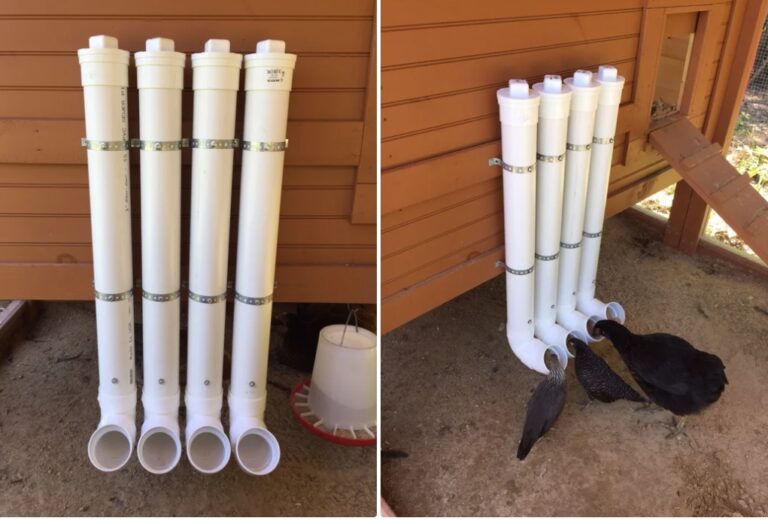
A timid pullet that waits behind adults may have less opportunity to eat. A feeder adjusted for tall birds can be awkward for small birds. Watch who actually reaches the feed during an ordinary meal, rather than checking only whether the hopper is full.
Consider a flock with four laying hens and three growing pullets. Useful observations include which complete ration each group consumes, where the layers obtain extra calcium, and whether the smallest pullet can eat without being displaced. “All seven were near the feeder” answers none of those questions by itself.
Keep the feed label and the birds’ ages available when discussing a mixed flock with a poultry nutritionist or veterinarian. Those concrete details make it possible to choose a suitable arrangement. The goal is a ration that fits the birds currently eating it, including the ones that have not laid their first egg.