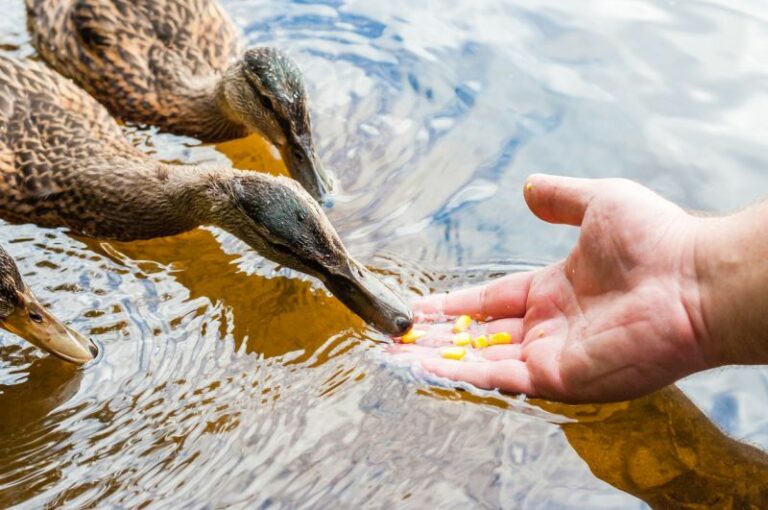

A small treat cup looks modest in a person’s hand. Refill it several times, add another visitor’s offering and scatter a little scratch before dusk, and the day’s extras can become a substantial part of what a hen chooses to eat.
The concern is displacement. A complete ration is formulated to supply a balanced mixture of nutrients when eaten as intended. An assortment of appealing extras does not automatically supply the same balance merely because the total amount of food looks generous.
Count the whole day, not one offering
Oregon State’s laying-hen feeding guidance explains the importance of the formulated diet. In a household, it helps to know who is providing extras and where those offerings fit in the routine.
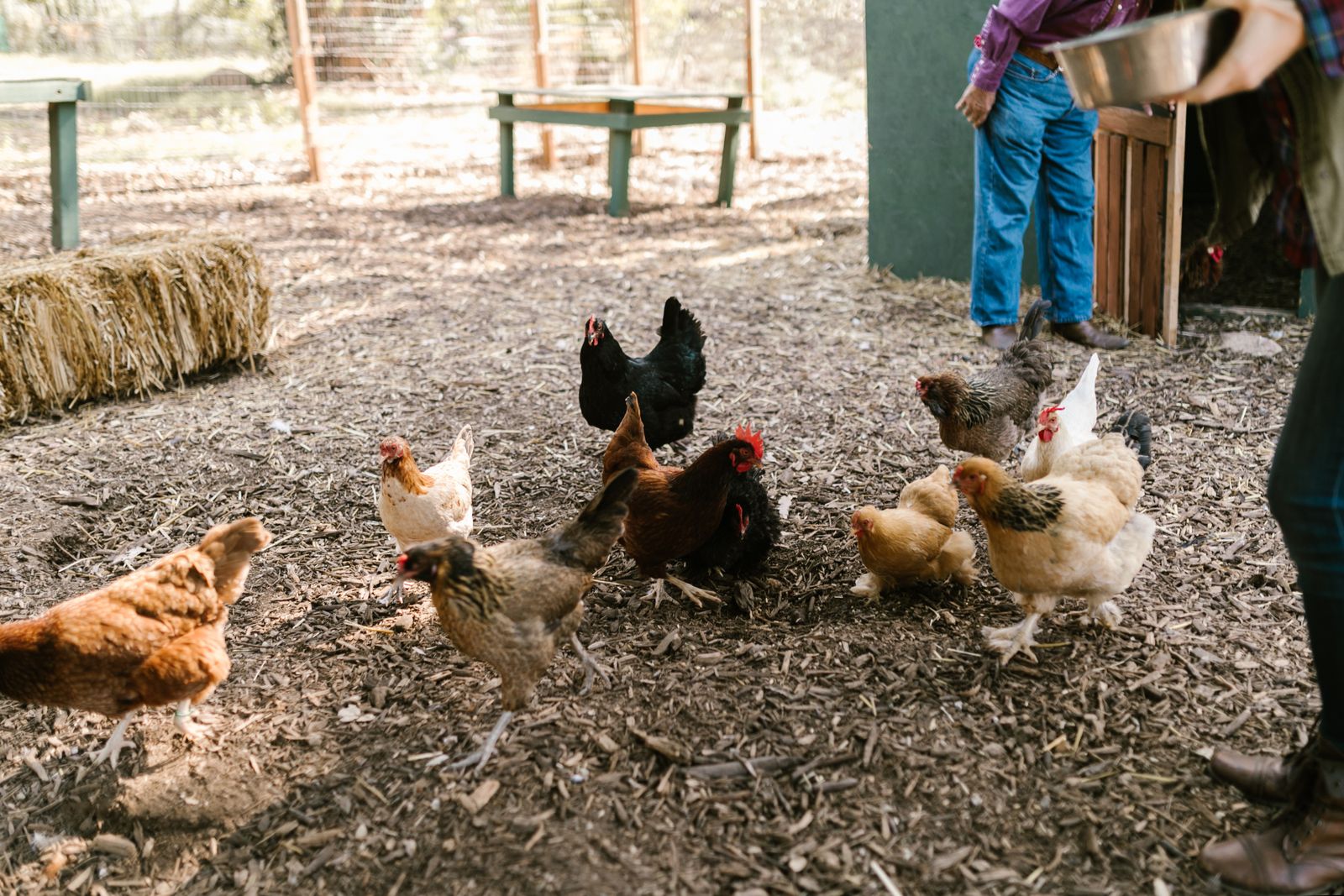
The arithmetic is conceptually simple: food chosen from one source leaves less appetite for another. The exact impact depends on the bird, ration and quantity, so a photograph of one treat cannot tell you whether the diet is balanced over time.
Social rewards need not all be edible
People enjoy the flock’s response, which can make food the default way to interact. A calm visit, access to suitable foraging material or an ordinary care routine can also be part of the day. The enrichment article offers ways to expand what the birds can do.
Our treat discussion covers appropriate extras; it should be read alongside the main feeding guide, not as an alternative menu that replaces the ration.
If a hen’s weight, laying or condition changes, review the whole feeding pattern rather than automatically increasing the most popular snack. The nearly empty complete-feed tray at the end of the day is not proof the birds ate the ration if they were filling up elsewhere. A modest-looking cup is only one part of the day’s intake.