

A hen approaches a boot, studies a shiny eyelet and taps it with her beak. Another follows the movement of a lace. What feels like a personal inspection is often an encounter with small, moving or visually conspicuous objects close to the ground.
The Alabama Extension description of exploratory behavior explains that chickens investigate through looking, pecking and scratching. The beak contributes sensory information. A peck at footwear does not automatically mean a hen is trying to attack the person wearing it.
The object and the routine may both matter
Footwear also belongs to a familiar keeper’s arrival. If the same boots accompany feeding, gathering near them may combine investigation with a learned routine. The separate following-the-keeper article considers that wider association.
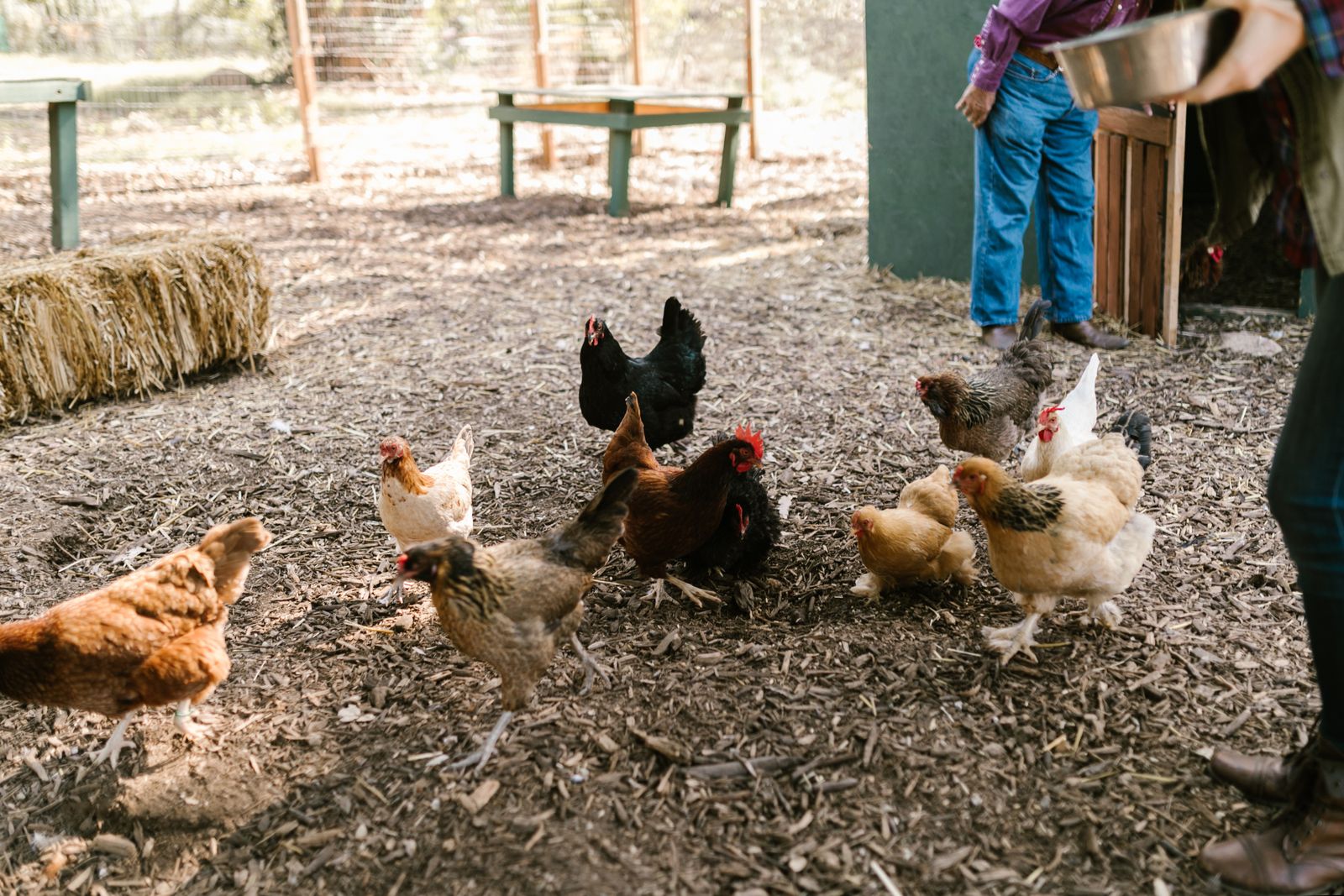
Look at what the bird actually contacts. A dangling lace, loose thread and a fixed leather surface present different opportunities. Keep detachable pieces and potentially swallowed debris away rather than repeatedly offering a tempting object for a funny video.
A peck has to be interpreted in context
A brief investigative tap differs from a repeated forceful strike accompanied by pursuit or defensive behavior. Observe the whole interaction and allow space. Moving calmly away is more useful than escalating an encounter to demonstrate dominance.
Our pet-chicken discussion covers everyday human interaction, and enrichment ideas provide other things for the birds to investigate. A shoe should not be their only changing object in an otherwise empty environment.
The small scene is worth noticing because it shows how differently a familiar object can function at ground level. To the person it is footwear; to the hen it may contain several separate details to inspect.


