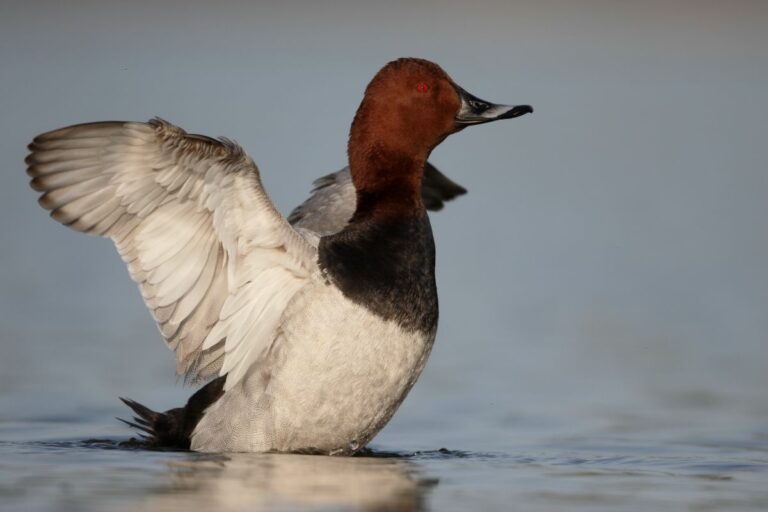

The Khaki Campbell often enters a conversation through one claim: lots of eggs. That reputation has a breeding history behind it, but a headline annual total is only the beginning of choosing a flock.
The Livestock Conservancy describes the Campbell as a lightweight duck developed with egg production among its important traits. Compared with a heavy meat-type duck, the smaller adult body changes the physical scale of the flock, while the daily need for suitable water, shelter and food remains.
A laying figure needs its conditions
Ask what a reported total represents: one exceptional duck, a selected line, an average, or an advertised potential. The recording period, age and management matter. A calendar year with a young flock is not directly interchangeable with another year containing molt or other pauses.
This is not a reason to dismiss a useful laying breed. It is a reason to ask a better question of a seller. Records from identified birds offer more information than a maximum repeated without context.
Active birds still need complete care
Foraging can be part of a duck’s day, but it should not be treated as a predictable nutritional supply in every backyard. The duck-feeding guide explains life-stage needs. A small body and an active routine do not make a formulated ration or clean water optional.
For a household interested in eating the eggs, the duck-versus-chicken egg comparison covers practical differences. Count how many eggs the household can use, and consider care arrangements during absences as well as the birds’ productive potential.
The Campbell’s reputation is most useful when it leads to a documented flock and a realistic routine. Egg output is a meaningful trait; it should not obscure the social, active domestic ducks that have to be cared for between collections.