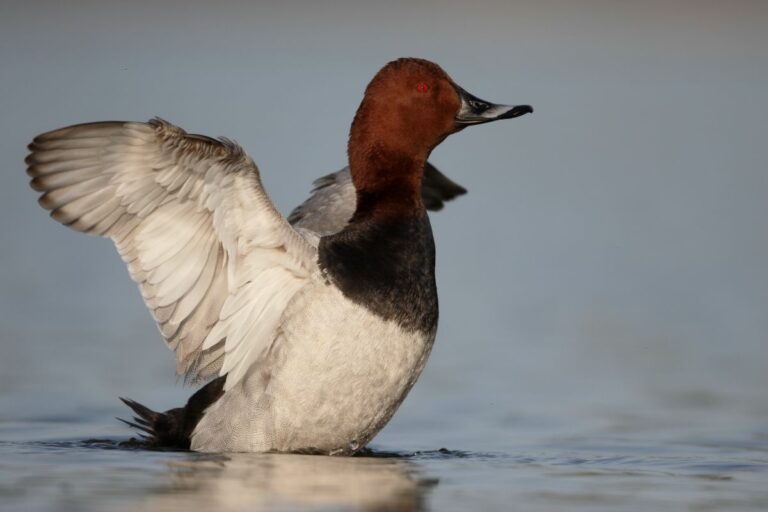

The Welsh Harlequin’s name has an old-fashioned ring, but the breed’s documented beginning is in the twentieth century. Its story starts with two unusually pale ducklings from a Khaki Campbell flock in 1949.
The Livestock Conservancy credits Leslie Bonnet and his wife with developing the birds into a breeding population. Hatching eggs reached Tennessee in 1968, later imports helped broaden the American stock, and the Silver variety entered the American Poultry Association standard in 2001.
A color variation became a breeding project
An unusual duckling alone is not a new standardized breed. Establishing a population means reproducing useful traits across generations, keeping records and selecting birds that retain the intended type. That distinction makes the Bonnet story more interesting than a simple claim that someone discovered a prettier duck.
The connection to Khaki Campbells also does not make the two names interchangeable. A seller should identify which population is being offered and the background of its stock, rather than using the most appealing name for a pale individual.
Look at mature birds and the whole plan
Adult plumage, sex and variety affect appearance. Ask to see identified adults, and consider the conditions in which that flock is kept. A good photograph can show markings without telling you whether the birds suit your own space or care routine.
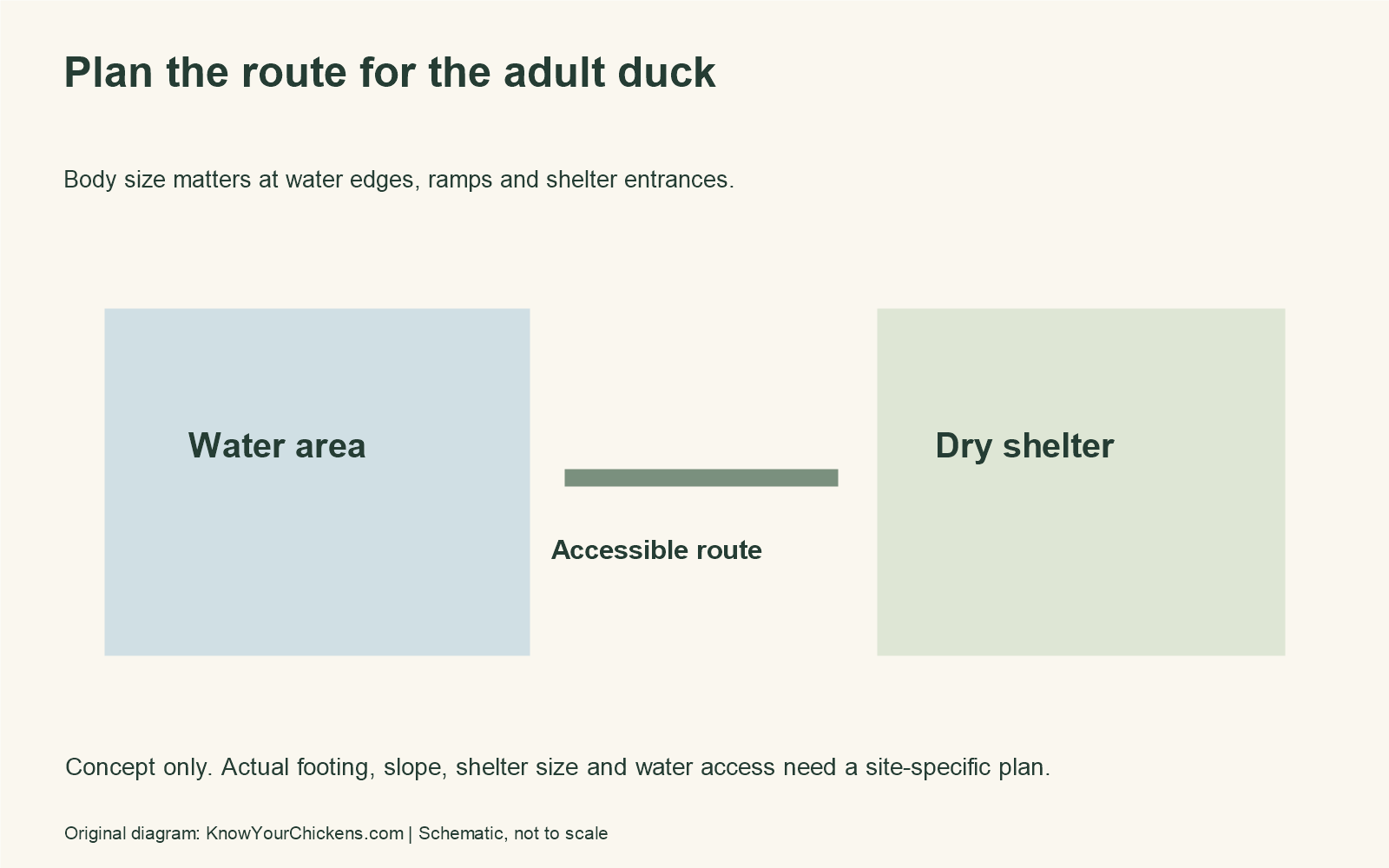
Our duck-type overview places domestic breeds in a wider context, while keeping ducks as pets looks beyond selection day. The diagram concerns adult access to resources, a practical issue shared by a real flock rather than a breed portrait.
The appealing part of the Welsh Harlequin is the traceable development: an observed variation, a named breeding effort and later conservation work. Its relatively recent history supplies enough interest without inventing an ancient origin for the name.