

The flower may be finished, but the food is not. A brown seed head standing above the November border can still be useful to a bird long after it has stopped looking useful to a gardener.
Audubon’s autumn yard guidance recommends leaving native perennial seed heads in place as a winter resource. The seasonal change is the point: a flower garden can become a seed-bearing habitat rather than an area that must immediately be cleared.
That does not mean every dead stem should stay. University of New Hampshire Extension distinguishes healthy standing seed heads from diseased growth that deserves removal. An untidy appearance and a plant-health problem are different things.
The useful November question is therefore selective: which healthy plants still hold seeds, and can they remain without blocking access or creating another problem? Native plants suited to the region offer a better starting point than a universal list of ornamental flowers.
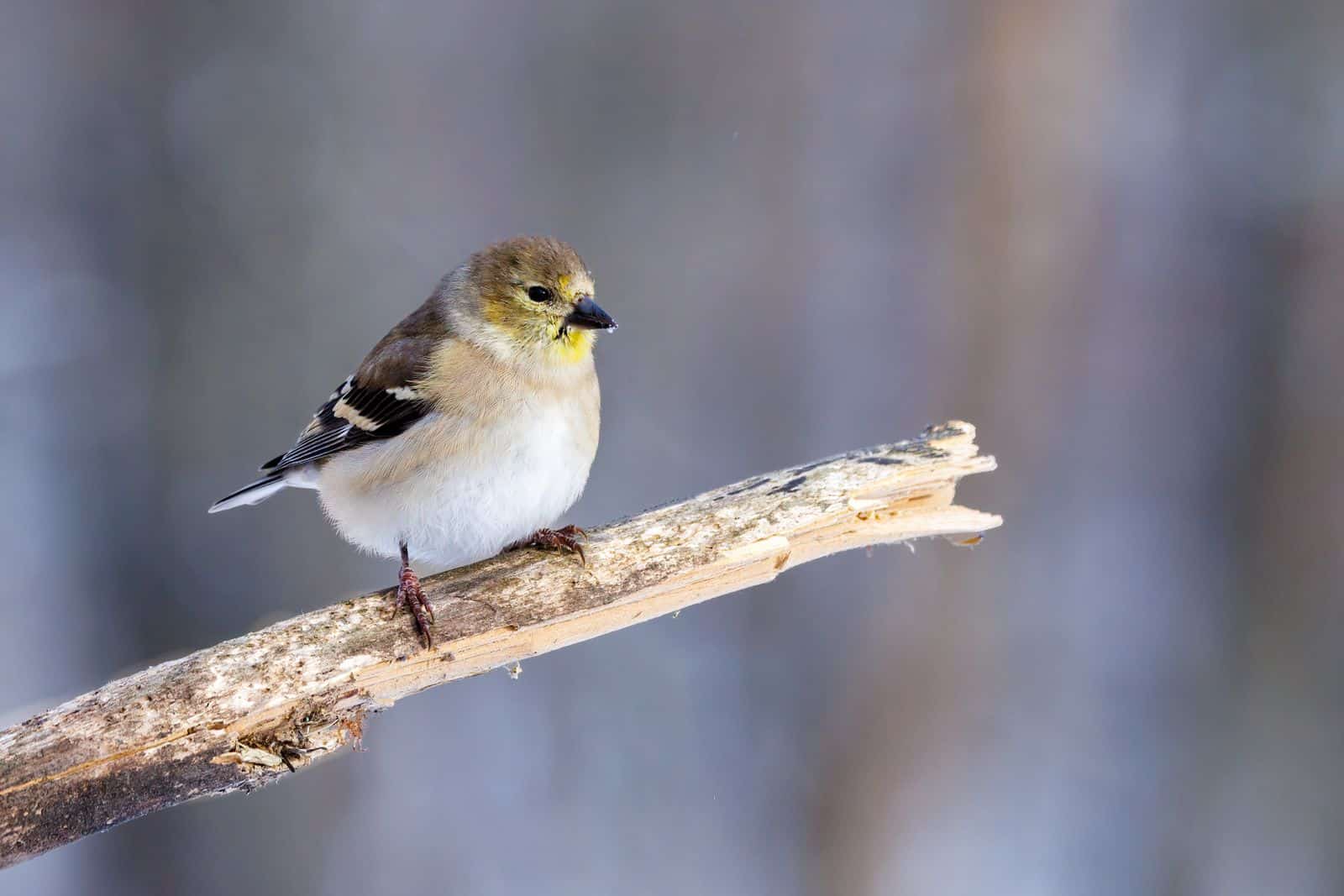
Watching the patch can be surprisingly revealing. A visitor may work a seed head without ever approaching a purchased feeder. A bird in muted winter goldfinch plumage may also be easier to miss than its yellow summer counterpart.
For poultry properties, wildlife habitat planning needs a separate boundary. Leave resources in appropriate garden areas away from the hens’ feed, water, and run; do not turn the coop perimeter into a wild-bird feeding site.
Keeping a few suitable stems is not a promise to feed every bird all winter. It is a way to avoid discarding a resource that is already present. Sometimes the useful seasonal job is deciding what can stay.


