
The birds outside the kitchen window have become part of a much bigger story. Project FeederWatch’s 40th season opened November 1 and runs through April 30, 2027, giving people across the United States and Canada another winter to contribute observations from home.
The joint Cornell Lab of Ornithology and Birds Canada project marked the milestone with a November 2 announcement and a new documentary film series. Its long-running records have helped researchers follow expanding bird ranges, declining populations, and irregular winter movements.
That history is built from familiar scenes: the same patch of yard, revisited through changing weather. A spectacular rarity is welcome, but ordinary birds seen consistently are valuable too.
A feeder is optional
Despite the name, participation does not require buying a feeder. Cornell says a count site can include maintained native plantings, trees, or brush piles that attract birds. Schoolyards and parks can qualify as well as private gardens.
That distinction is particularly useful for chicken keepers. With recent bird-flu news in Washington highlighting the need to separate poultry from wildlife, adding a feeding station beside the chicken run would work against that aim. Observing existing habitat away from poultry offers a different way to take part. Follow local wildlife and animal-health advice when choosing a site.
One returning bird is not ten birds
The official counting instructions use pairs of consecutive days, usually no more than one pair each week. Participants record the highest number of each species seen together, rather than adding every arrival into a running total.
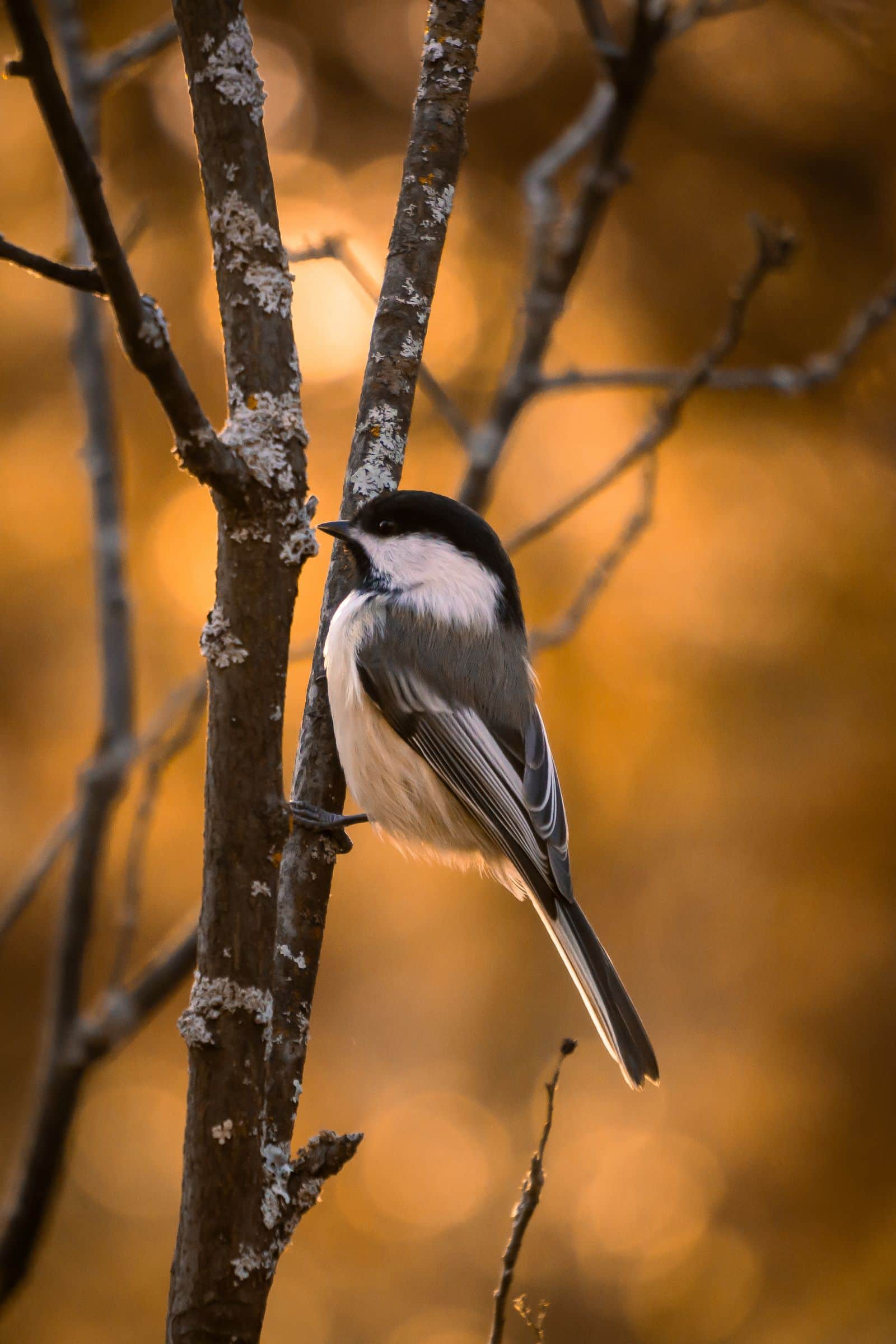
If a chickadee visits ten times but you never see more than one at once, ten visits do not become ten chickadees. The project also asks observers to record watching effort; a brief look and a long afternoon are different kinds of observation.
Nobody has to watch continuously, and missing a week does not disqualify a participant. The useful commitment is a repeatable view of one place. Readers who want to join can check the program’s participation details and learn the count rules before submitting their first observations.