

An empty nest box in November is not necessarily a useless nest box. Breeding may be over, but a cavity can still offer a small bird somewhere to spend a cold night.
Alaska’s Department of Fish and Game notes in its birdhouse-placement guidance that boxes can provide winter roosting shelter. That does not mean every box will be occupied, or that leaving one up guarantees a bird’s survival. It means the seasonal use of a cavity can extend beyond raising chicks.
A roost is a place to sleep
Shelter and food solve different parts of a winter day. Conifers, dense vegetation, and suitable cavities give birds choices when daylight feeding ends. The department’s chickadee profile describes sheltered nighttime sites among these birds’ winter resources.
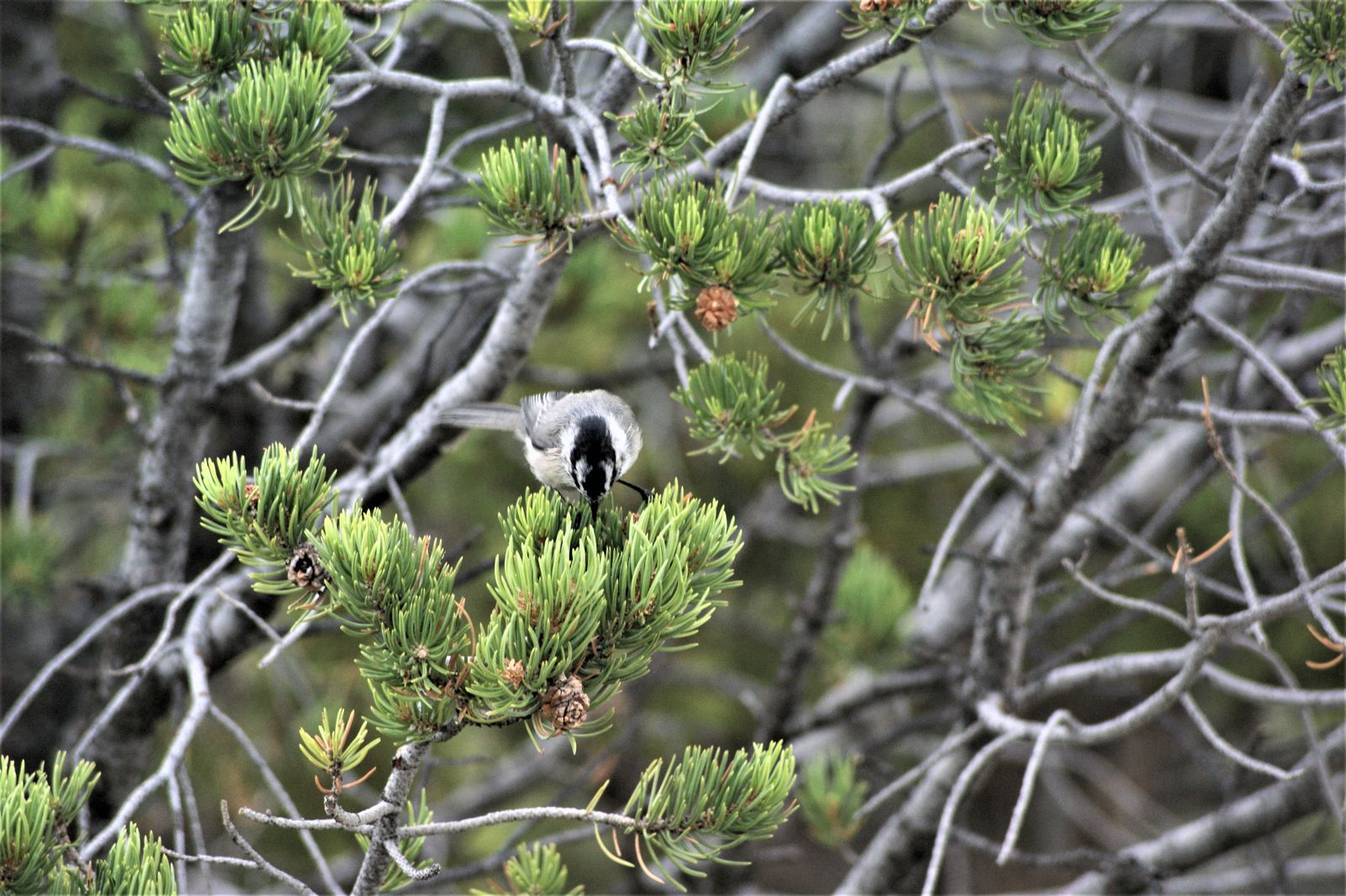
It is easy to miss that use. A bird that slips inside near dusk and leaves early may never appear during a casual midday look. Repeatedly opening a box to see whether someone is home defeats the purpose of a quiet refuge.
Keeping a serviceable box up also does not mean ignoring maintenance. Structural damage, water entry, insecure mounting, and unsuitable placement are reasons to review it. Follow species-specific local guidance for cleaning and timing, and never disturb an active nest.
The chicken run is a separate space
For poultry owners, a wild-bird roost belongs outside the flock’s living and feeding area. A box attached to the coop may put activity exactly where animal-health guidance asks owners to limit wildlife contact. Our Washington bird-flu report explains that boundary.
You can appreciate winter visitors without combining their shelter with the hens’ housing. Watching established habitat also fits the broader idea behind this season’s FeederWatch project: the interesting part of the yard is not always a feeder. Sometimes it is a small opening that seems quiet until the light starts to fade.


