

The door opens onto a white yard. A hen steps out, pauses, then turns back into the coop. The same bird may have hurried through that doorway yesterday. Snow has changed the surface, the appearance and sometimes the practical route to resources.
Novelty is one possible part of the scene; cold and footing are others. A brief hesitation does not establish that every chicken hates snow, nor that a bird willing to walk through it is protected from cold stress.
A route can become less familiar overnight
Look at the transition from the door. Deep snow, ice, a buried ramp or a slippery landing changes access. Give the birds a usable protected area and a choice to return to shelter, rather than carrying them out to see whether they will tolerate the weather.
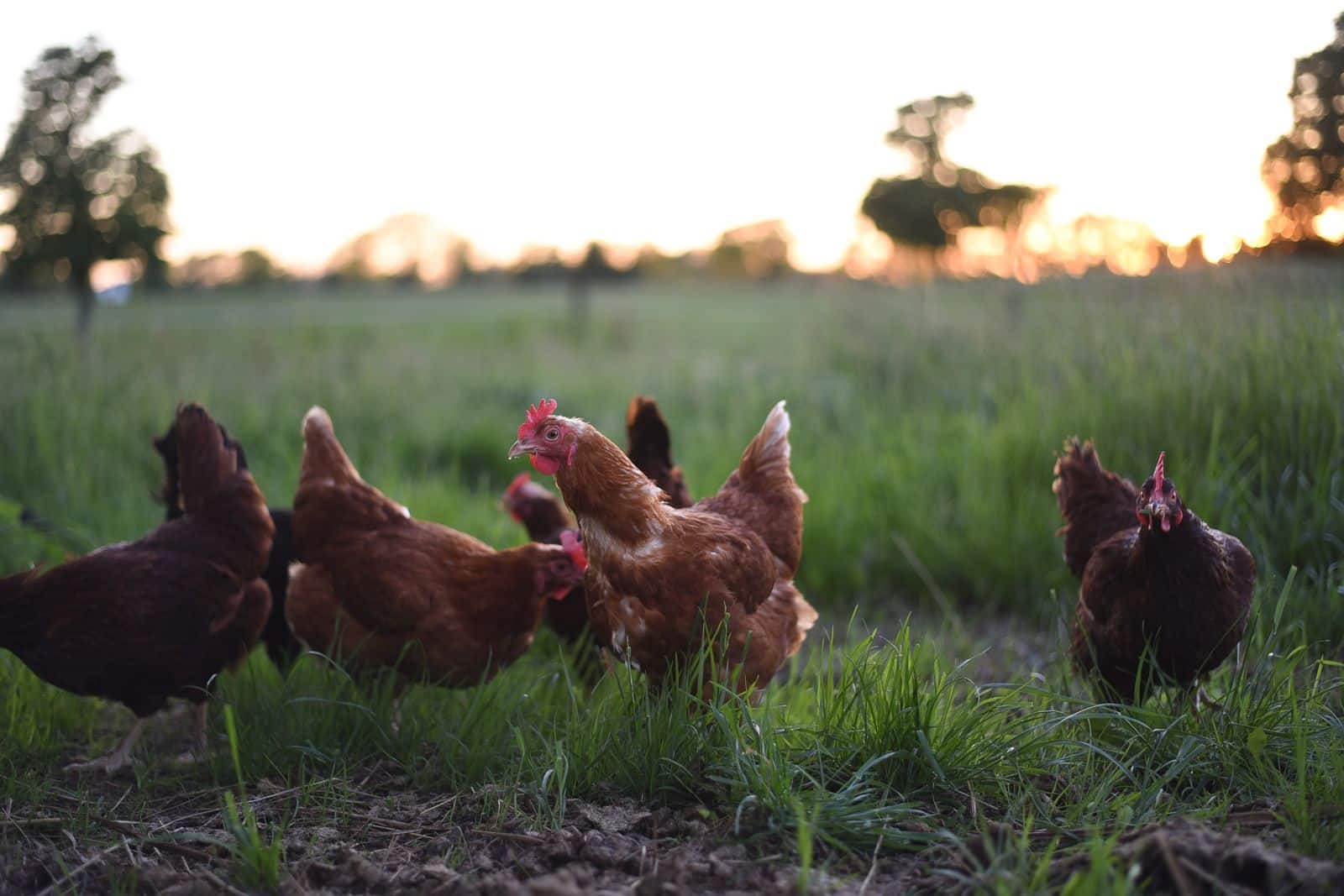
Minnesota Extension’s cold-weather guidance emphasizes shelter, water and observation of the birds. The practical question is whether the flock can meet its needs, not whether a particular snow photograph looks reassuring.
The least mobile bird belongs in the picture
An energetic hen crossing the yard does not prove that an older bird can use the same route comfortably. Watch access to water and feed, especially if timid birds spend longer inside or are displaced at a narrow opening. Our older-hen article covers individual changes that can make access important.
Breed tendencies are discussed in cold-hardy chickens, but condition, feathering and shelter still matter. Do not use a breed label to explain away persistent distress or inability to move normally.
The first step into snow is an interesting behavioral moment. The more useful observation comes afterward: which areas the birds choose, whether routes remain usable, and whether every member of the flock can return to dry shelter.


