
The hens have gone to roost, but the feed beneath their station is still available. A small scatter that looked inconsequential during the afternoon can become part of another animal’s nightly route.
Food, water and shelter are what make poultry areas attractive to rodents. Maryland Extension emphasizes cleaning spilled feed and protecting stored supplies as part of prevention. A sealed storage bin addresses only one source if feed remains accessible elsewhere.
Follow the ration past the container
Look beneath feeders, beside refill points and along the route from storage. A scoop tipped during filling can leave material in a different place from the birds’ normal feeding area. The useful question is where feed ends up over a whole day, not whether one container has a good lid.
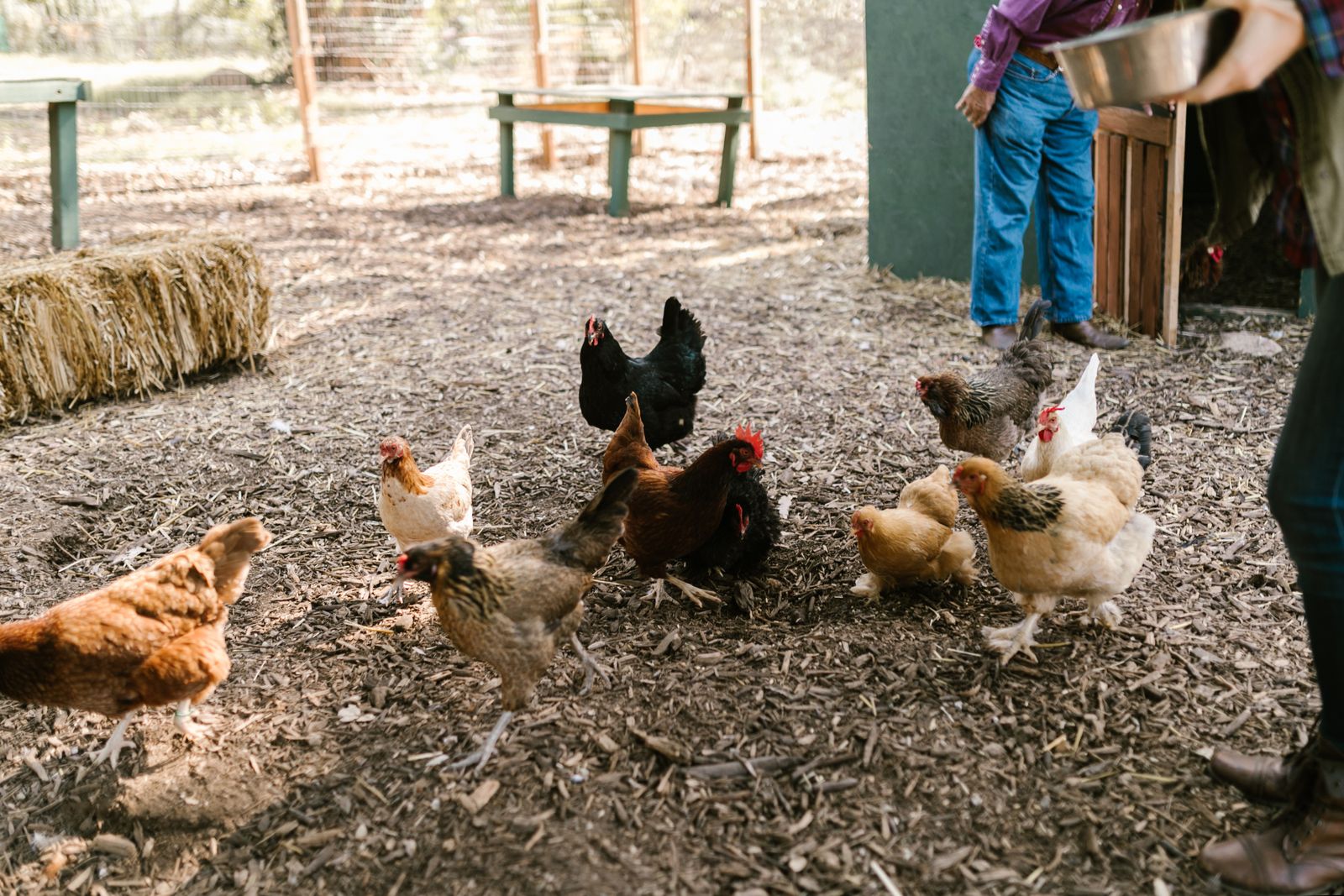
The UK poultry rodent-control code also identifies feed spillages as an attractant and cautions against disposing of spilled feed into litter or manure. Moving it out of sight does not necessarily remove access.
Prevention and pest treatment are separate decisions
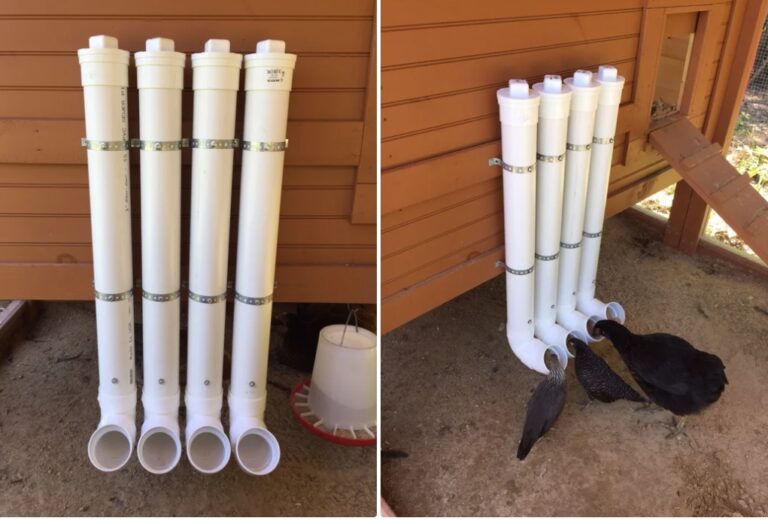
An automatic or treadle feeder should be judged by its actual use in the setting. Watch whether the birds can operate it and whether material still accumulates outside. A product label cannot certify an entire yard as rodent-proof.
If rodents are already established, seek suitable pest-management advice. Traps or baits must not be placed where chickens, pets or children can reach them, and product rules vary. The point of observing spilled ration is to remove an avoidable food source, not to improvise a poison recipe.
Our feeder-design discussion connects equipment to waste, while predator protection examines the enclosure itself. After the birds go in, the remaining feed tells you which part of the day’s ration was never really feeding chickens.