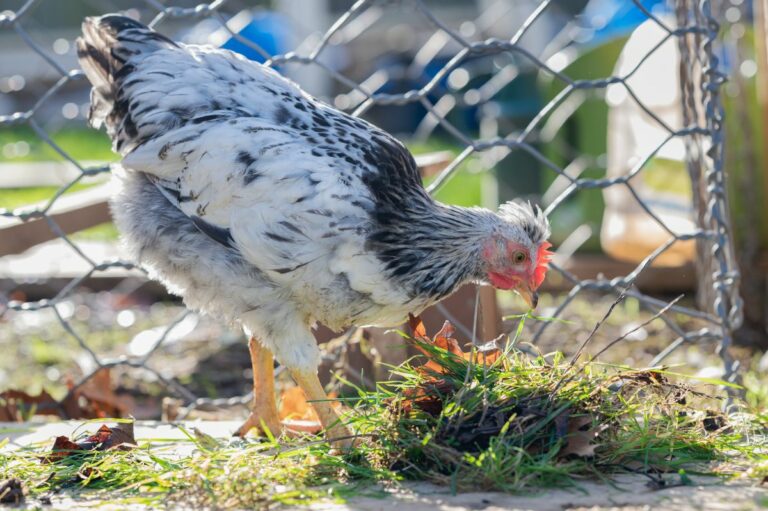

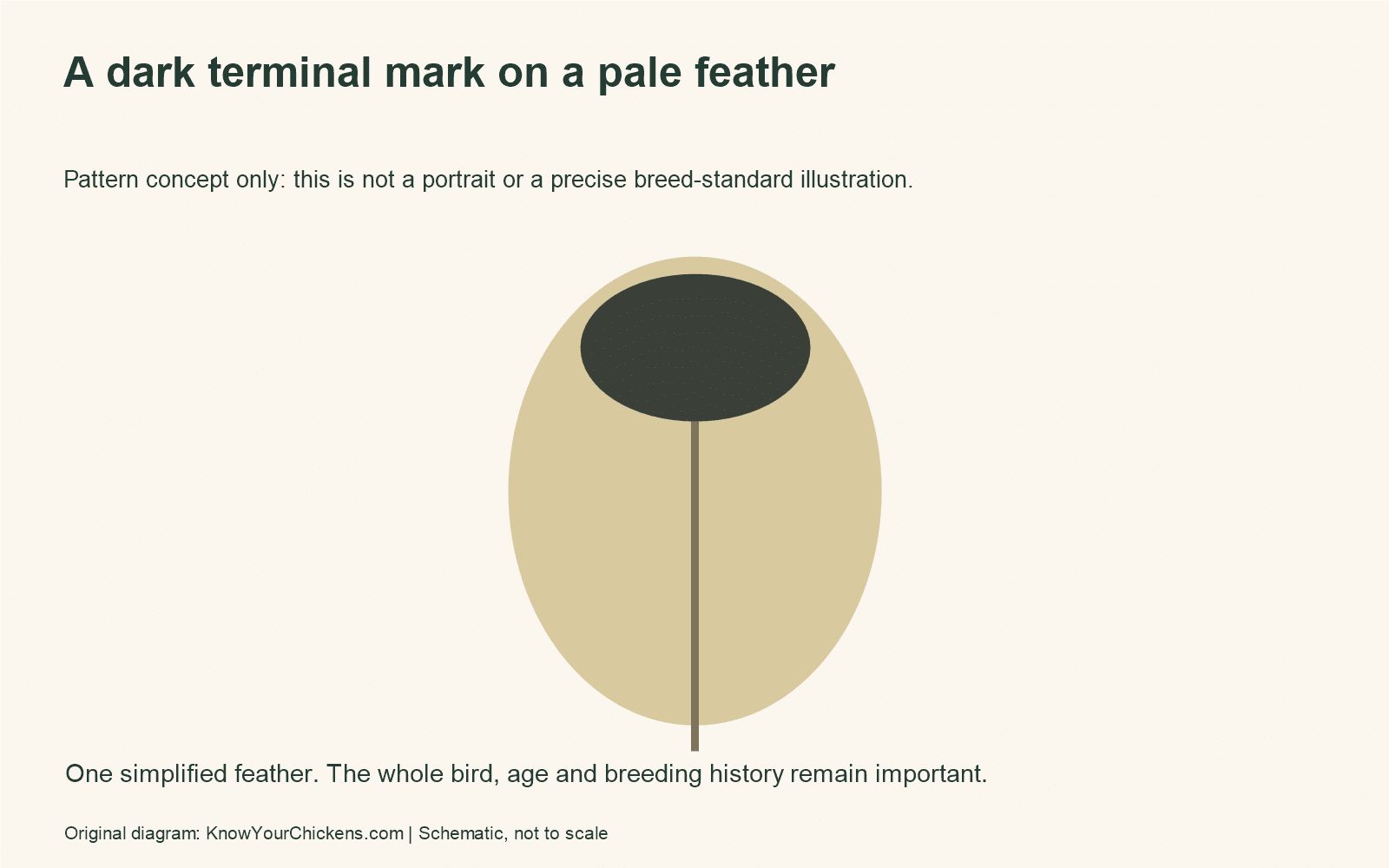
The Silver Spangled Hamburg can look as if someone placed a dark mark deliberately at the end of each pale feather. That crisp pattern helps explain its appeal in paintings and old poultry illustrations. It is only one of the Hamburg’s recognized appearances.
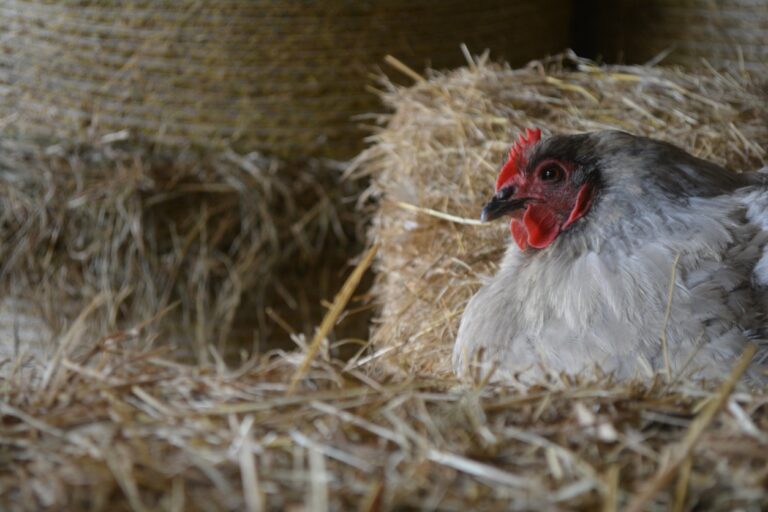
The Livestock Conservancy lists six standard varieties: Silver Penciled, Golden Penciled, Silver Spangled, Golden Spangled, Black and White. All six were recognized in the American standard in 1874. A photograph of one variety should not be used as the definition of every Hamburg.
An old name with a complicated route
The breed’s early history crosses national boundaries, and its German name is not a complete origin story. The Conservancy documents Hamburg-type birds in Holland and the later development of varieties in Britain. Claims about a first-ever poultry show involving Hamburgs belong to legend unless supported more firmly; the documented varieties are interesting without turning folklore into a date-stamped event.
A small body with plenty of movement
The Hamburg is an egg-producing and ornamental breed with a rose comb and a relatively light body. That combination makes the bird more than a patterned ornament. A keeper needs to consider active movement, roosting choices and containment, not simply which color looks best beside a coop.
Our small-chicken comparison discusses the range hidden behind the word small, while flight and containment explains why an apparently generous boundary may be easy for some birds to cross. An active breed should still have secure shelter rather than being expected to avoid every predator through alertness.
White eggs and a decorative appearance also answer different selection questions. Someone who values a particular variety may be maintaining a breeding tradition as much as collecting eggs. Ask a breeder about adult type, the consistency of the pattern and their flock records. The history becomes tangible in those living birds, rather than remaining an attractive label beneath an old illustration.