

Make an age-appropriate complete poultry feed the foundation of your chickens’ diet. Treats, foraging, scratch grain, and supplements have different roles; none should quietly replace the balanced ration. Start with the birds’ life stage and purpose, then choose a feed labelled for that group.
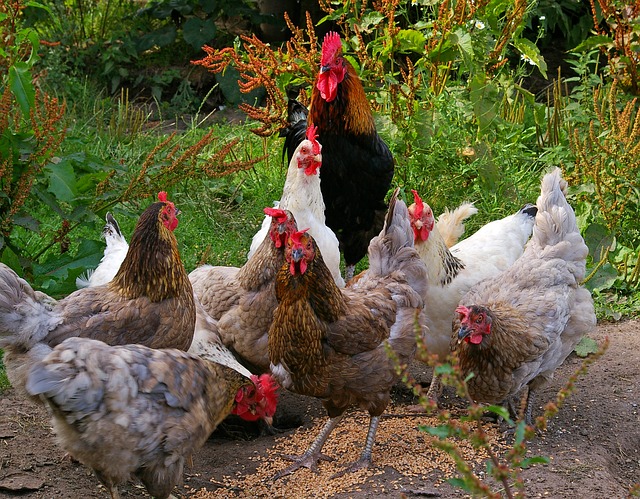
Choose feed for the birds you actually keep
| Group | Starting point | Check before feeding |
|---|---|---|
| Young chicks | Complete chick starter | Suitable texture, age range, and any medication or vaccination considerations |
| Growing pullets | Appropriate grower or starter-grower | Do not switch to a high-calcium layer ration just because the chicks look large |
| Laying hens | Complete layer feed or a properly managed flock ration with separate calcium | Calcium provision, consumption, and the needs of non-laying flockmates |
| Meat birds | A complete feeding program for the strain and stage | Growth rate, body condition, and supplier instructions |

Mash, crumbles, and pellets describe physical form, not nutritional purpose. A bag of pellets might be a layer ration or something unsuitable for your birds. Read the label rather than deciding by appearance. The chick-feeding guide covers early growth; meat-bird choices explain why a fast-growing hybrid is not managed exactly like a slow-growing breed.
Give every bird access

Feed intake changes with bird size, production, weather, and how much the ration is diluted by other foods. Follow the feed manufacturer’s program and monitor actual use, body condition, and waste rather than treating one cup measurement as universal.
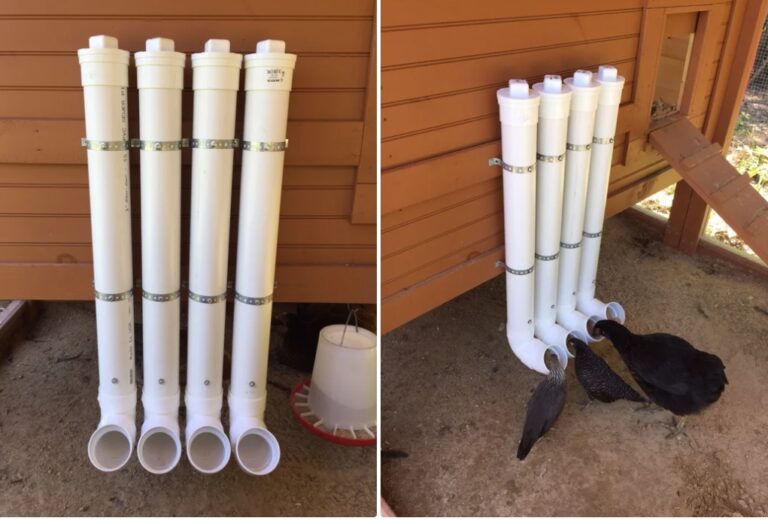
Use enough feeding points that timid birds can eat without passing a dominant hen. Keep feed out of rain and droppings, remove spoiled material, and check whether apparently low consumption is really spilled grain. A DIY feeder can reduce waste only if birds can reach it comfortably and it stays clean.
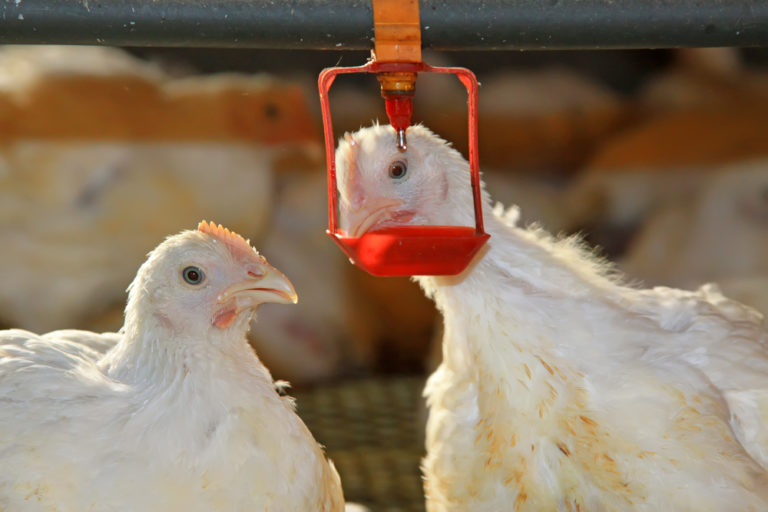
Clean drinking water belongs in the feeding plan. A feeder cannot compensate for an empty, frozen, inaccessible, or leaking drinker. See waterer designs and access when planning equipment.

Scratch is a treat, not complete feed
Scratch is a mixture of grains or seeds offered for pecking and foraging. It does not supply the same balanced nutrients as a complete ration. Use a small portion after birds have access to their normal feed, and reduce other treats on the same day. The scratch guide explains how to use it for enrichment without turning it into the main meal.
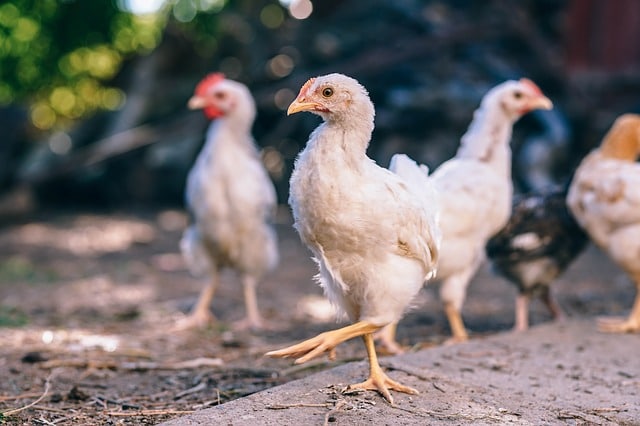
Avoid the assumption that free-ranging birds can find everything they need. What is available changes with season, weather, ground condition, and stocking density. A green run is not a nutritional analysis.
Keep calcium and grinding grit separate in your thinking
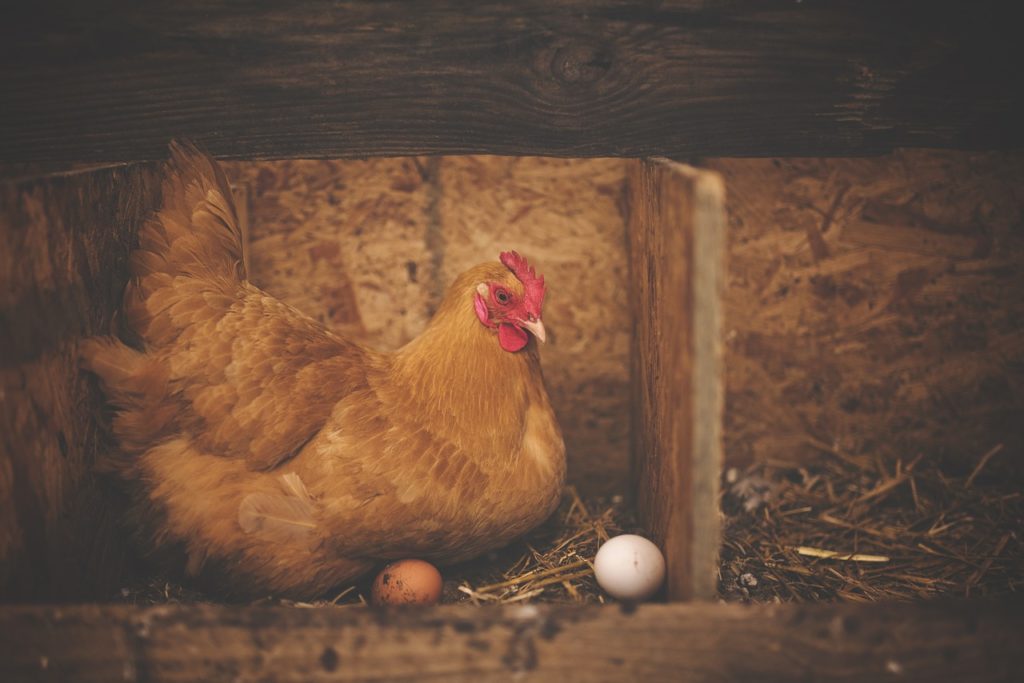
Insoluble grit helps the gizzard grind suitable foods. Oyster shell and feed-grade limestone supply calcium and are not substitutes for hard grinding grit. Young growing birds and laying hens do not have identical calcium needs.
Cooperative Extension’s laying-hen guidance explains why oyster shell is too soft to serve as grit. Offer the correct product for the need, with particle size appropriate to the birds. Our oyster-shell guide covers separate provision for hens rather than indiscriminately adding calcium to every meal.
Treats should not crowd out the ration

Use small amounts of suitable vegetables, fruit, seeds, or other treats for enrichment. Remove uneaten wet food before it spoils. Exclude moldy, rancid, heavily salted, or unsafe material; a chicken’s willingness to peck something does not establish that it is suitable.
The treat guide offers practical choices, and the food reference deals with individual ingredients. Do not use herbs, pumpkin seeds, vinegar, or a dusty powder as a substitute for diagnosing and treating worms.
Be cautious about changing a balanced formula
Mixing grains at home may look cheaper, but a usable poultry ration needs more than a grain-and-protein recipe. Amino acids, minerals, vitamins, energy, age, and production all matter. If home formulation is the goal, use a qualified poultry nutritionist rather than combining internet recipes.

Fermenting feed also needs clean handling and realistic expectations. It is optional, not a requirement for healthy eggs. Track the feed offered and discarded so an apparent saving is not simply more waste or less balanced intake.
When production changes, review light, age, molt, broodiness, water, and health alongside diet. The laying checklist helps avoid adding supplements to solve a problem that is not nutritional.

How much feed (in combination of
Ingredients) does each bird need per day? For example, is four ounces per day per laying hem a good
Rulle
Of
Thumb?