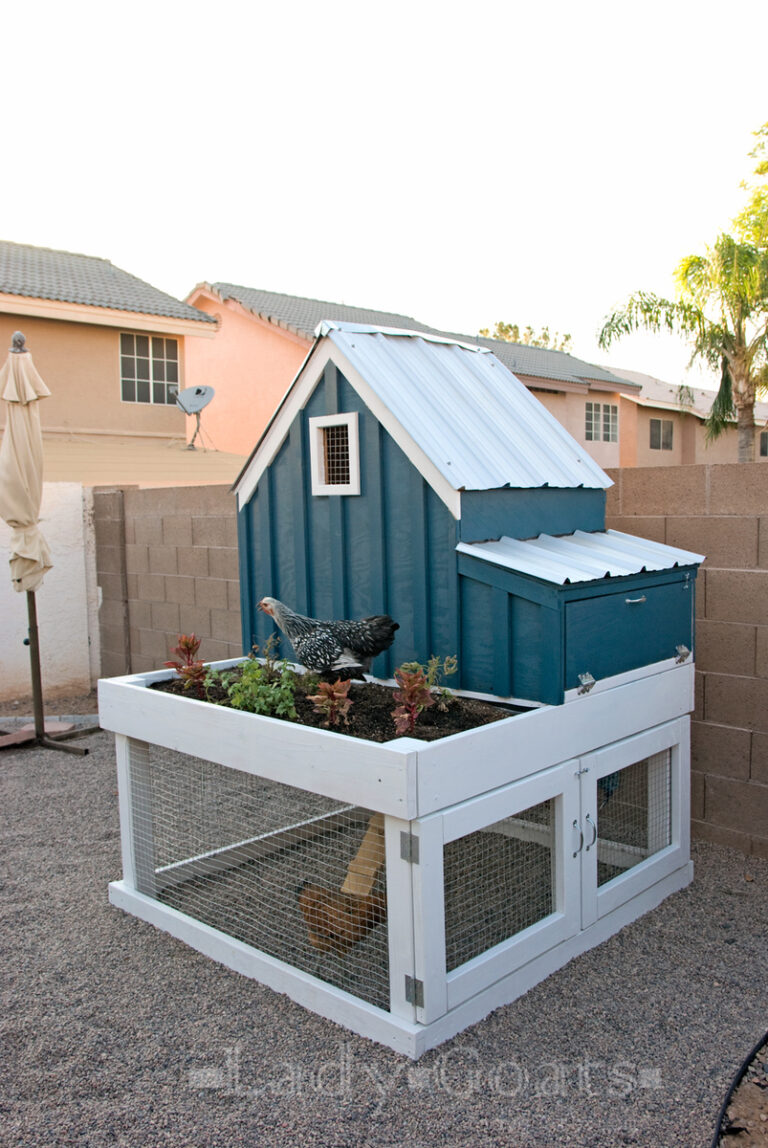

One hen needs separating, the weather has turned, and the only spare enclosure is full of garden tools. That is when a theoretical backup becomes very different from a usable one.
A spare pen is easy to overlook because it does nothing on a normal day. In winter, however, improvising suitable space can be harder: the sheltered corner is occupied, stored equipment has expanded, and access to the shed depends on a frozen door.
Decide what the space can actually do
A temporary enclosure for a bullying problem is not automatically appropriate disease isolation. Cooperative Extension’s small-flock biosecurity guidance treats isolation as a disease-prevention measure, not simply a fence that stops birds pecking one another.
The University of California, Davis poultry biosecurity factsheet likewise emphasizes separation and care practices for incoming birds. A divided area inside the same coop may preserve visual contact for a behavioral problem while providing little meaningful separation for a suspected infectious one.
That distinction belongs in the plan before the space is needed. A veterinarian can advise what is appropriate for a particular illness or exposure. Suspected bird flu calls for official reporting and instructions, not moving birds off the property into an improvised recovery arrangement.
An empty enclosure is only the beginning
For a noninfectious temporary separation, think through ordinary care: suitable shelter, ventilation, clean bedding, food and water, predator protection, and enough room for the bird. Our chicken space guide provides context; a transport carrier should not quietly become long-term housing because it happened to be available.
It is also worth deciding who checks the separated bird and how the arrangement ends. Social reintegration can require care, as our article on introducing chickens explains. “Put her back tomorrow” is not a complete plan if the original problem remains.
Clearing and assessing a spare space in November costs little compared with discovering its limitations during a storm. Its value is not that every hen will need it. Its value is having one fewer decision to improvise when one does.