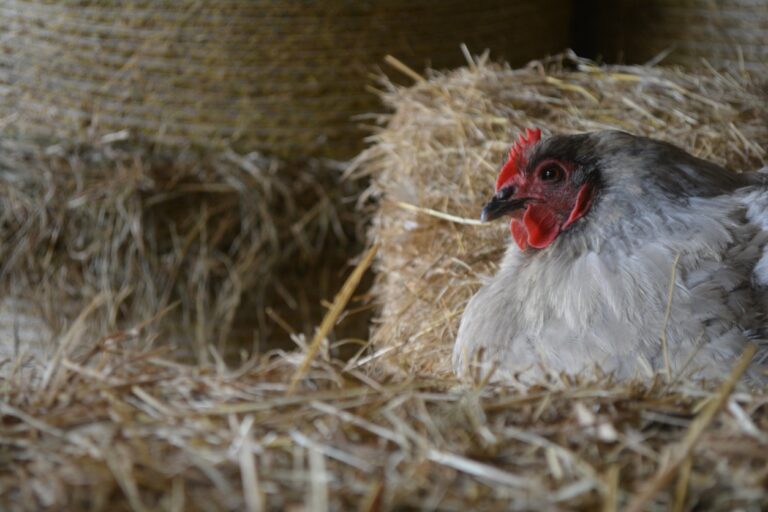

Breed choice can make hot-weather management easier, but no chicken is heatproof. Body size, feathering, comb type, health, age, and the individual strain all influence how a bird copes. Shade, fresh water, airflow, and space remain necessary even for birds described as heat tolerant.

What to look for before choosing a breed

Lighter active breeds from warm regions are useful starting points for comparison, but origin alone is not proof of suitability. Ask local keepers and the supplier how that particular line performs in your climate, including humidity and hot nights. A chicken that copes in dry heat may struggle when evaporative cooling is limited by moisture in the air.
For an existing flock, the practical cooling guide is more urgent than a new breed purchase. Heavy meat birds, densely feathered chickens, and unwell individuals may need closer observation.
Breeds worth comparing

- Leghorn: a lighter active egg breed; plan suitable fencing and avoid assuming every line has the same behavior.
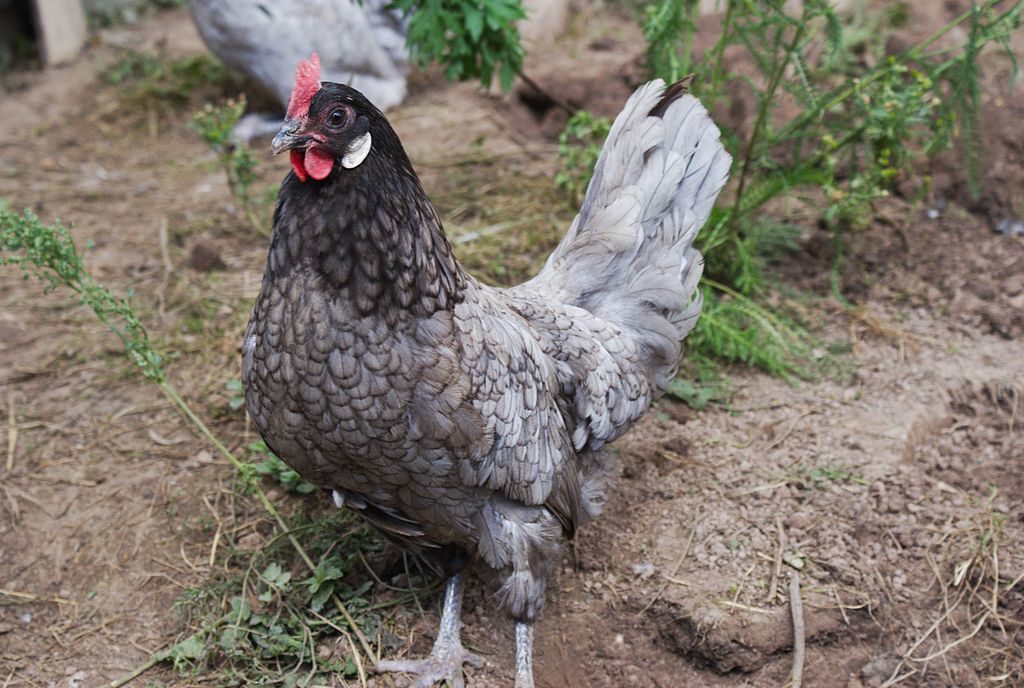
- Andalusian: an active Mediterranean option; confirm housing and local availability before selecting for appearance alone.
- Minorca: another Mediterranean breed to investigate where heat is a major constraint, with attention to the strain and its full care needs.
- Egyptian Fayoumi: often discussed for warm-climate systems; activity and temperament may be as important as the climate label.
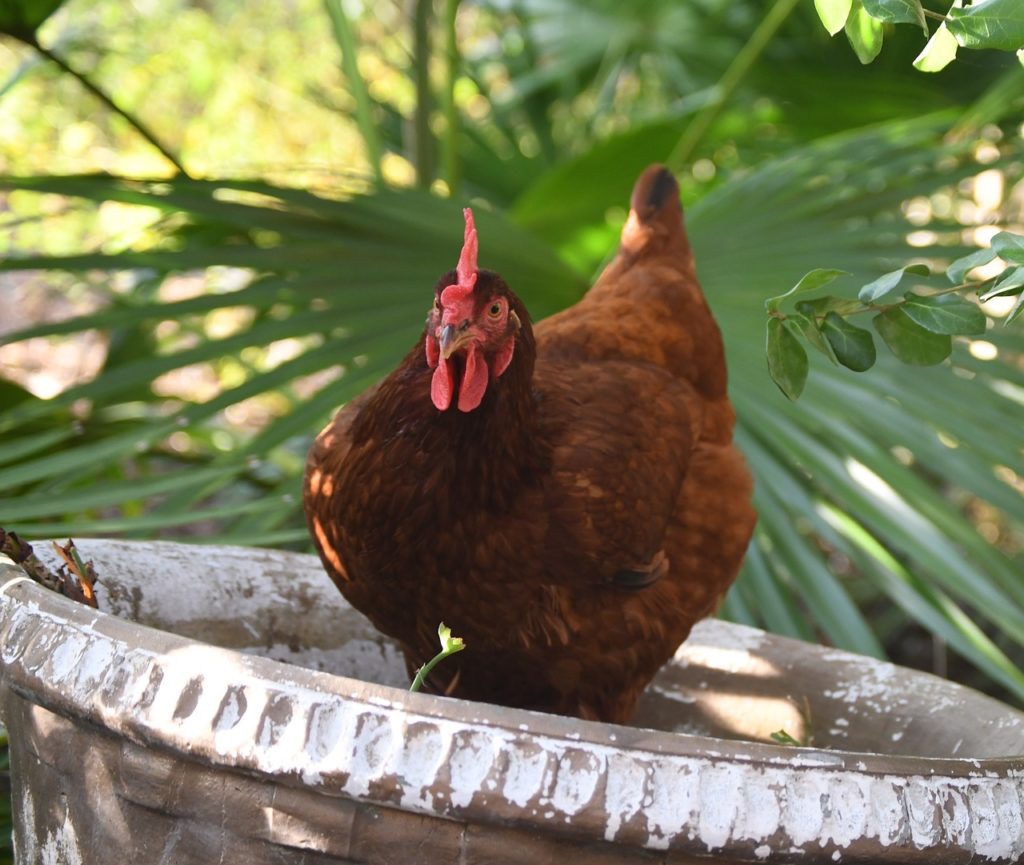
- Rhode Island Red: a practical breed to compare with local production lines, not a guarantee of comfort through every heat wave.
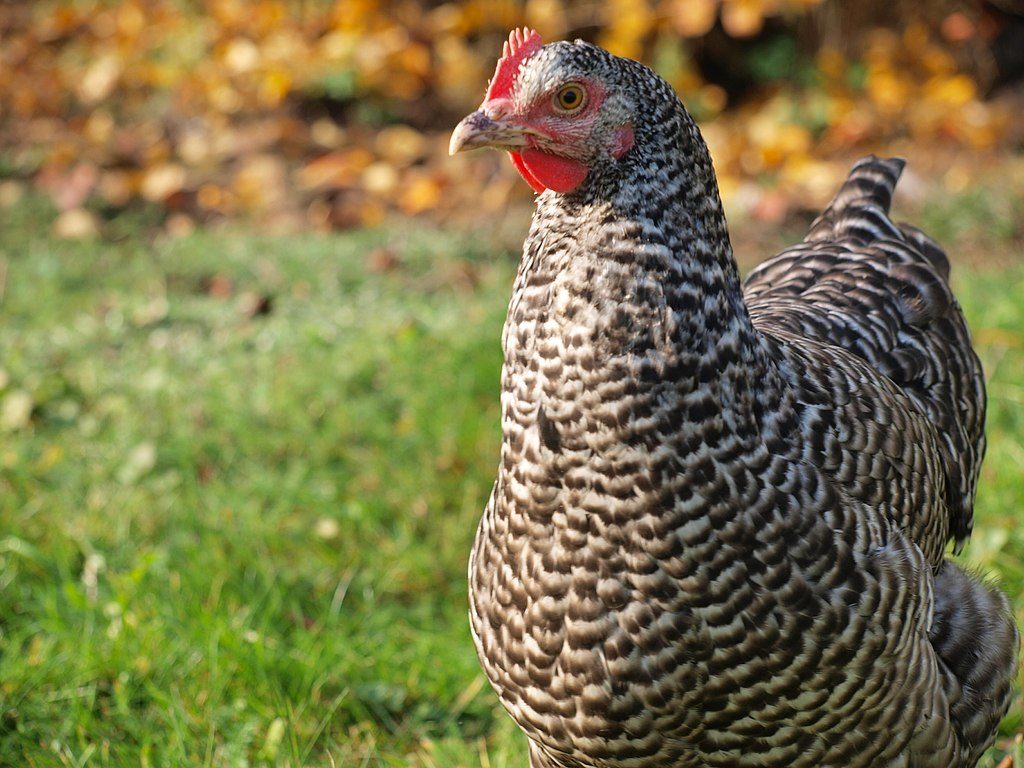
- Delaware or Plymouth Rock: dual-purpose alternatives to assess against the actual local conditions and supplier’s stock.
Large Brahmas and densely feathered Orpingtons should not be placed at the top of a hot-weather list simply because some keepers raise them successfully in warm regions. Successful management under shade and ventilation is different from a breed being intrinsically protected from heat stress.

Humidity changes the problem
University of Minnesota’s heat-stress guidance explains that high humidity limits respiratory heat loss. A misting system can therefore make matters worse if it increases moisture without providing useful cooling. Consider airflow, litter condition, and overnight relief rather than judging by daytime temperature alone.

Choose for the whole year

A large single comb may help with heat exchange but creates a different management concern in severe cold. If your climate has both extremes, compare cold-weather requirements and the shelter you can provide. Breed selection is a compromise, not a ranking detached from the farm.

Ask about adult size, typical laying pattern, temperament, and access needs as well as heat tolerance. A well-matched bird in a properly designed enclosure is more useful than a purported tropical breed kept in an exposed, crowded run.

During heat, watch for panting, wings held away from the body, reduced activity, and worsening weakness. Distressed birds need prompt attention; a heat-tolerant label is not a reason to wait.