
You can hatch fertile chicken eggs under a suitable broody hen or in an incubator. Neither option starts with the eggs alone: you need a plan for heat, protection, chick feed, space after hatch, and any cockerels produced. If those arrangements are not ready, buying started birds may be a better choice.
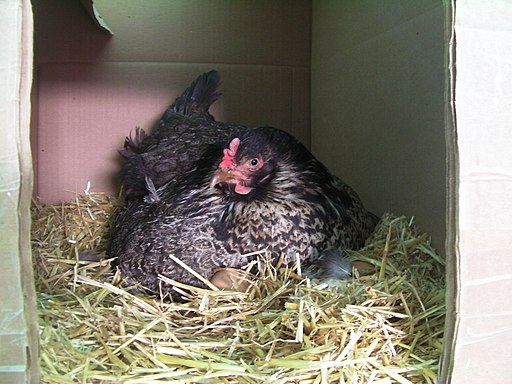
A broody hen can do the incubation, but you still manage the setting
A hen that persistently sits may accept a clutch, but broodiness does not guarantee that she will finish incubating or care for chicks. Use sound fertile eggs, a secure nest, and arrangements that prevent other hens adding eggs or breaking the clutch. Mark the intended eggs so the hatch does not become a succession of different ages.
Provide accessible food and water and allow normal breaks. Watch body condition and inspect for parasites. The broody-hen guide covers the decision to encourage or interrupt sitting. A hen cannot hatch an infertile egg simply by sitting longer.
An incubator gives control, not automatic success
Choose an incubator suited to the number of eggs and the room where it will operate. Forced-air and still-air machines do not use identical temperature instructions. Humidity, ventilation, turning, cleanliness, and measurement all matter. A digital display is not proof that the egg-level conditions are correct.
Set up and run the machine before introducing eggs. Check it with suitable independent measuring equipment and follow the manufacturer’s instructions. Keep it out of direct sun, drafts, and locations with large temperature swings. The incubator selection guide explains equipment features without assuming that the largest advertised capacity is the most useful.
Choose eggs with a known history
Use fertile eggs from healthy breeding stock. If producing your own, plan a managed breeding flock rather than assuming that a rooster’s presence settles every requirement. Ask about collection, storage, transport, and the breeding flock’s management. Rough handling, long storage, shell defects, and poor conditions can reduce success before incubation begins. A rooster’s presence does not guarantee that every collected egg is fertile.
Do not use a food-egg float test to decide which eggs will hatch. Buoyancy reflects the air cell, not embryo viability. Handle hatching eggs according to a reliable incubation protocol rather than applying food-egg washing advice indiscriminately.
Prepare the next stage before setting eggs
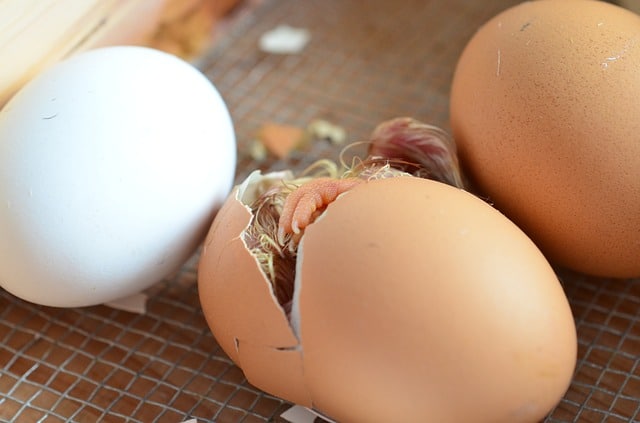
If using an incubator, have a working brooder, chick-appropriate drinker, and starter feed ready. For a natural hatch, plan a safe area where chicks can reach resources without being trapped or injured by adult equipment. Think about access for the hen as well as the small birds.
Power failure, a hen abandoning the clutch, or a failed hatch are possibilities. Decide what help or backup is realistically available, particularly if the project involves children. Do not promise that every fertile egg becomes a healthy chick.
Use a calendar appropriate to the method
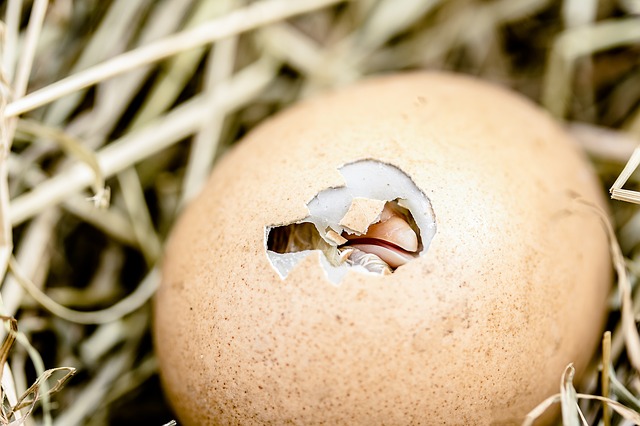
Chicken eggs usually hatch around day 21, but variation and failures need interpretation. The incubation calendar covers turning, candling, the hatching period, and troubleshooting for an artificial incubator. It should be used with the machine’s manual, not as a replacement for it.
The University of Maine hatching bulletin is a useful extension reference for planning. Check species-specific requirements before trying to hatch ducks or other birds with chicken instructions. A well-planned small hatch is more manageable than filling a machine without enough housing for the survivors.