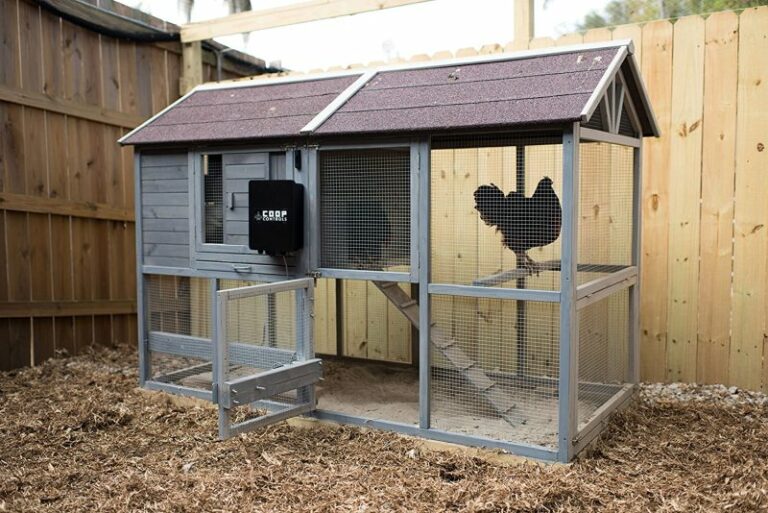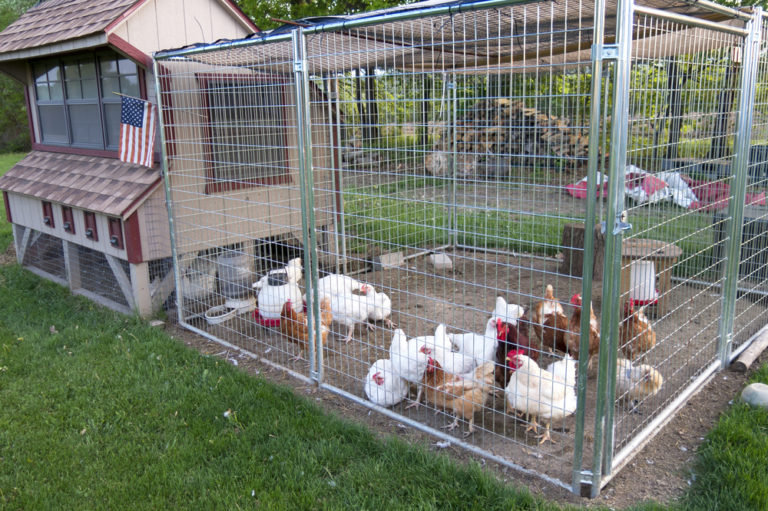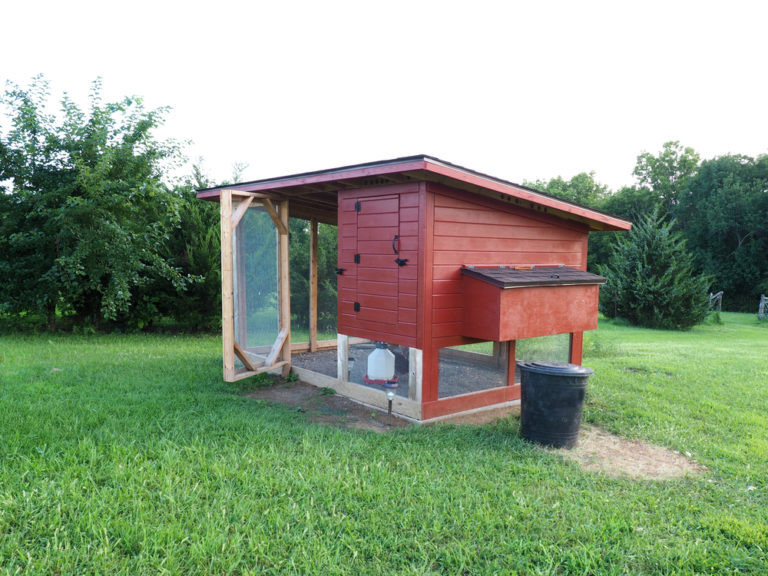

The most useful November coop inspection often happens in the rain. A bright afternoon shows how a building looks; wet weather reveals where water actually goes. The patch under the roof seam, the puddle beside the threshold, and the sagging door all become harder to deal with after freezing weather arrives.
University of Maryland Extension’s winter-flock guidance emphasizes checking housing and keeping birds protected from weather. That makes this a good moment to separate repairs from purchases. A new winter accessory will not fix water entering through a damaged roof.
Follow a chore all the way through
Imagine carrying tomorrow’s water from its source to the drinker. Then imagine collecting eggs and replacing bedding with the same route glazed in ice. A door that opens over bare ground today may be blocked by snow piled in its swing later.
The point is to find the one failure that stops an ordinary job. A secure latch needs to work with gloves. A feed-bin lid needs room to open. Cleaning tools need to be reachable without first moving a stack of supplies.
Inside, look for evidence rather than an idealized temperature. Damp patches and water marks deserve attention before another layer of litter hides them. Our article on winter coop condensation distinguishes moisture problems from the understandable urge to seal everything shut.
Repairs should leave ventilation working
A winter-ready coop still exchanges air. University of New Hampshire Extension distinguishes shelter from drafts and precipitation from the ventilation needed to release moisture.
That distinction helps prioritize a short repair list: stop rain entering, restore damaged hardware, and keep intended ventilation functional. Covering every opening treats a missing panel and a designed vent as though they were the same problem.
One photograph of each trouble spot is useful for another reason: it turns “sort the coop out” into a specific job. Fixing the leaking seam and the stiff latch is a finishable task. Winterizing an entire flock can otherwise remain an endlessly expanding shopping list. If layout is the underlying problem, our coop design collection offers comparisons worth considering before buying materials.