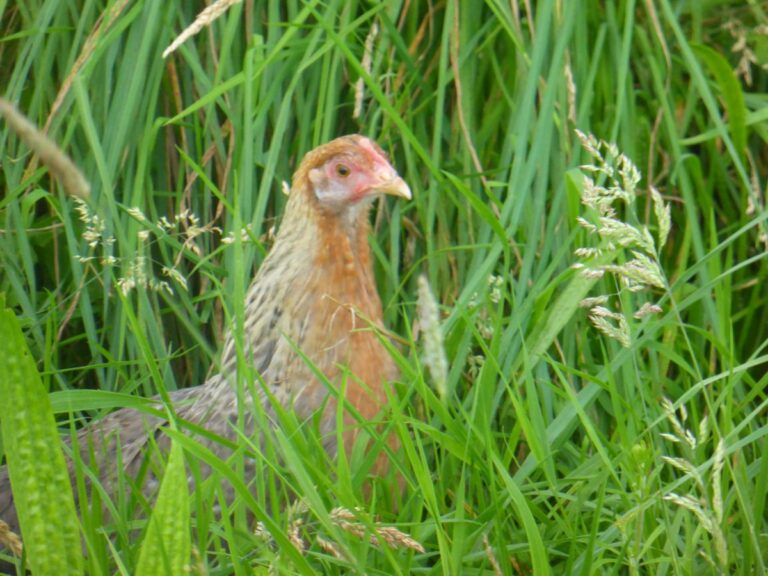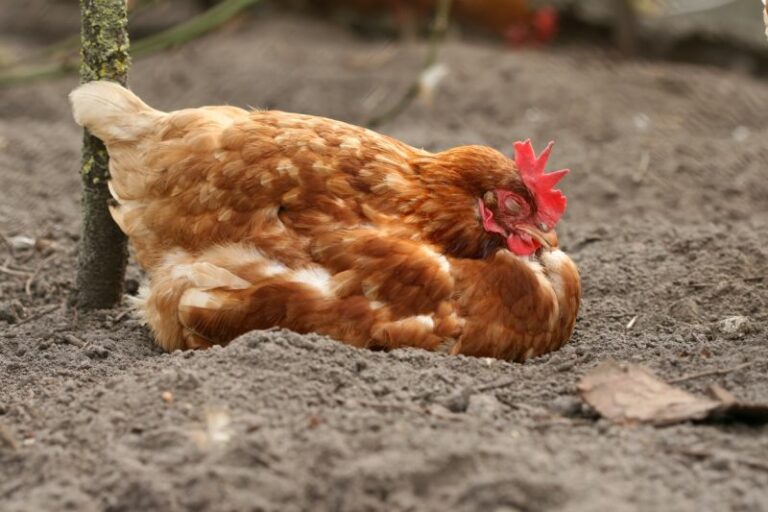

The flock rushes toward the keeper and, for a moment, every bird seems busy. A hen that looked quiet from a distance has joined the movement. That change can be reassuring, but the observer’s arrival may itself have changed the behavior being observed.
The Maryland factsheet on sickness behavior describes chickens as prey animals that can suppress signs of weakness, including in the presence of a perceived threat. This helps explain why a brief, active response during a visit may not reveal the whole picture.
Observe before creating an event
Spend a quiet moment watching before calling the flock or presenting food. Notice who is standing apart, who uses resources and who rests while companions forage. Then compare what happens when the routine changes.
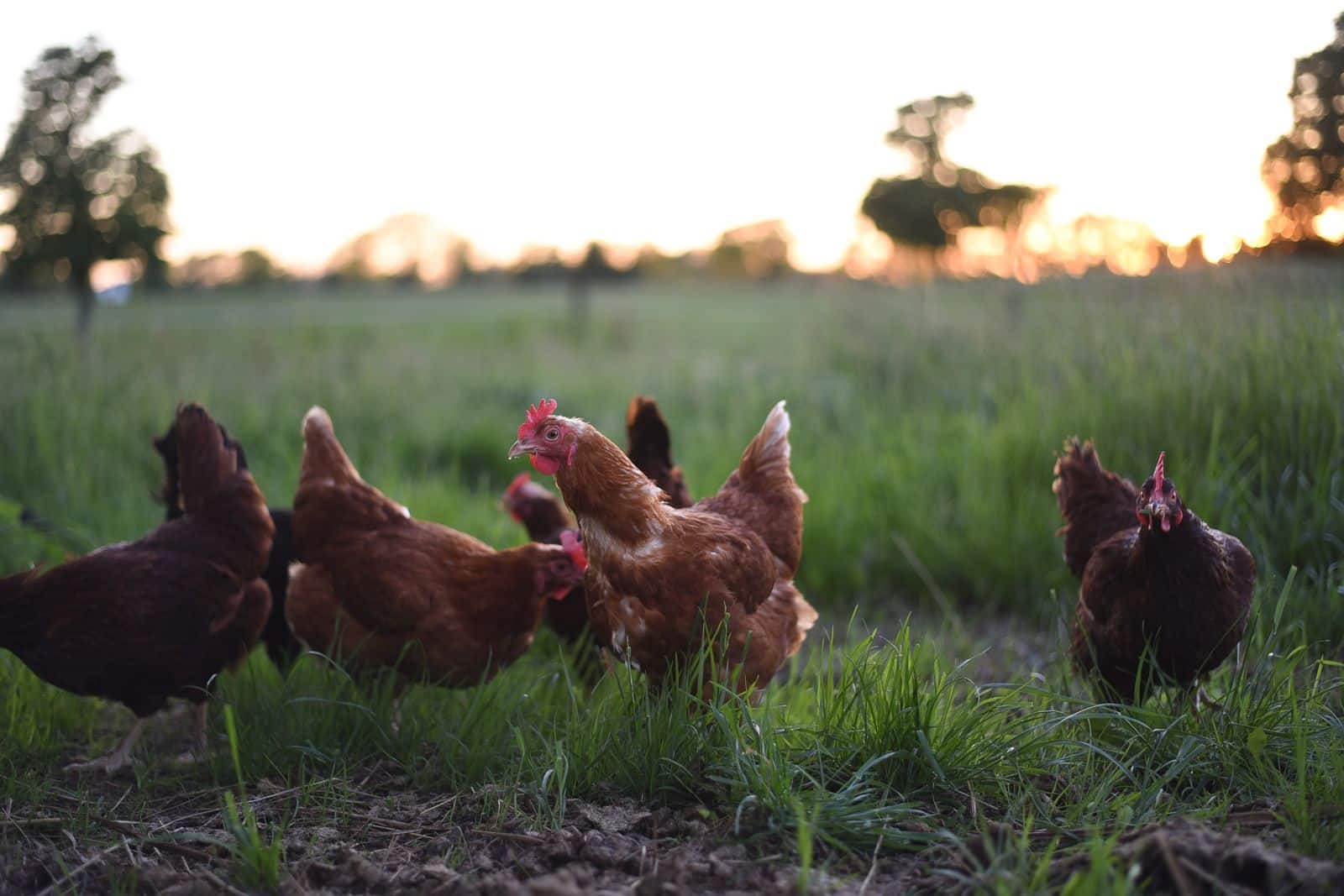
This is not a recommendation to hide from the birds or delay help while gathering perfect evidence. If a hen is visibly struggling or severely unwell, arrange care. Quiet observation is useful for noticing changes, not a reason to postpone action.
Individual baselines make a difference
A naturally reserved bird and an outgoing one need not behave identically. The meaningful comparison is often a change in that individual’s normal activity, posture or interaction. A clear record is more useful than the broad description “she seems off.”
Our droppings discussion considers another observation with limits, and the health overview brings several signs together. A photograph or one dropping should not become a complete diagnosis.
The flock’s bustle can hide the quieter story of one hen. Looking before and after your arrival, and following the same individual through ordinary activity, can reveal a change that a hurried head count or enthusiastic feeding response misses.