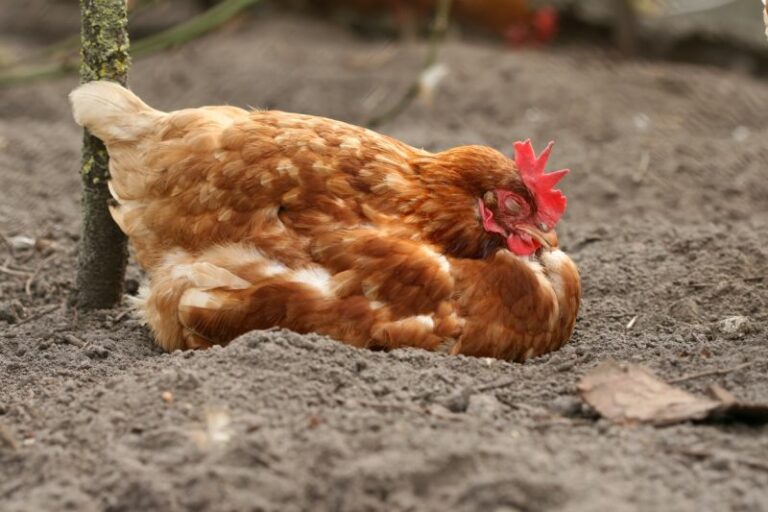

“Water belly” sounds like a diagnosis because the name is so descriptive. In a conversation about an individual hen, however, a swollen abdomen is an observation that still needs an explanation. Not every enlarged belly contains the same material or arises from the same disease.
The Merck Veterinary Manual describes ascites syndrome as commonly associated with pulmonary hypertension and right-sided heart failure in poultry. That defined syndrome is more specific than using a farmyard nickname for any bird that looks swollen.
Reproductive disease creates another set of possibilities
In a laying hen, material and inflammation in the body cavity can also involve the reproductive system. The Merck account of egg-related peritonitis describes inflammation associated with yolk material in the coelom. This is not interchangeable with a simple account of fluid caused by heart disease.

A veterinarian may need examination and further diagnostics to distinguish among causes. A side-on photograph cannot show the character of internal fluid, identify a mass or establish which organ system is involved. The bird’s age, laying history and changes over time are relevant information to provide.
Record the change without turning it into a procedure
Note when enlargement was first observed, whether the bird’s posture or breathing has changed, and whether appetite, activity or laying have altered. If the hen is struggling to breathe or appears severely unwell, arrange urgent veterinary help. Keep handling to what is necessary and follow the receiving clinic’s transport instructions.
Do not puncture or drain an abdomen based on a nickname or a video. Removing fluid, even when a professional considers it appropriate, does not establish or cure the cause, and an improvised procedure can injure the bird. Online descriptions that begin with a tool list can hide the diagnostic question that should come first.
The egg-binding article covers a different reproductive problem, and our health overview helps organize observations. Neither should be used to decide that a rounded silhouette means one particular condition.
The value of the phrase “water belly” is limited to describing a concern. A useful account of the actual hen replaces that shorthand with a history, an examination and a diagnosis as far as the evidence allows. That is what makes decisions about care more informed than treating every swollen abdomen as the same problem.